“Don’t mix with bad friends, nor with the worst of men. Mix with spiritual friends, and with the best of men.”
Na bhaje pāpake mitte, na bhaje purisādhame; Bhajetha mitte kalyāṇe, bhajetha purisuttame.
Buddha Quotes on Friendship, from the Dhammapada
6 verses of 423 · English by Bhikkhu Sujato (CC0) · Pali alongside
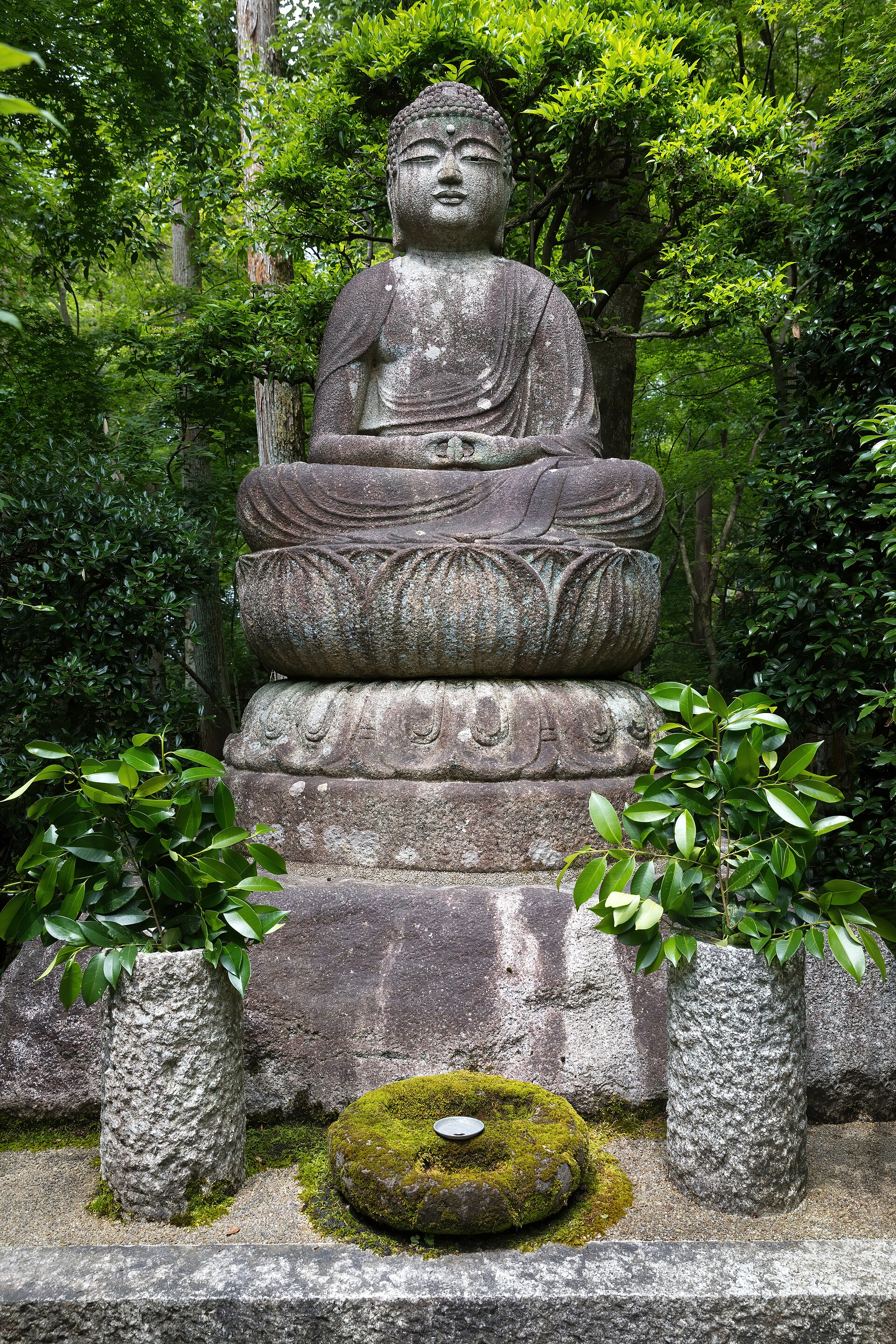
The Dhammapada contains exactly six verses mentioning friends or companions. While friendship is a secondary theme in this specific book, the text offers clear guidance on choosing company. Verse 78 advises you to mix with spiritual friends rather than bad ones. Similarly, verse 376 encourages associating with those who are tireless and pure of livelihood. These verses suggest that your social circle directly impacts your practice. If you find an alert companion as described in verse 328, you should wander with them joyfully.
The book is equally clear about the value of solitude when good company is unavailable. Verse 329 states that if you cannot find an attentive friend, you should wander alone like a tusker in the wilds. This honest perspective reminds practitioners that being alone is better than having poor companions. Verse 331 notes that a friend in need is a blessing, while verse 219 shows friends and family celebrating a traveller home safe. These selections provide a complete look at friendship in the text.
The verses
In book order. Open any verse for the Pali, the copy button and the card maker.
“When a man returns safely after a long time spent abroad, family, friends, and loved ones celebrate his return.”
Cirappavāsiṁ purisaṁ, dūrato sotthimāgataṁ; Ñātimittā suhajjā ca, abhinandanti āgataṁ.
“If you find an alert companion, an attentive friend to live happily together, then, overcoming all adversities, wander with them, joyful and mindful.”
Sace labhetha nipakaṁ sahāyaṁ, Saddhiṁ caraṁ sādhuvihāridhīraṁ; Abhibhuyya sabbāni parissayāni, Careyya tenattamano satīmā.
“If you find no alert companion, no attentive friend to live happily together, then, like a king who flees his conquered realm, wander alone like a tusker in the wilds.”
No ce labhetha nipakaṁ sahāyaṁ, Saddhiṁ caraṁ sādhuvihāridhīraṁ; Rājāva raṭṭhaṁ vijitaṁ pahāya, Eko care mātaṅgaraññeva nāgo.
“A friend in need is a blessing; it’s a blessing to be content with whatever; good deeds are a blessing at the end of life, and giving up all suffering is a blessing.”
Atthamhi jātamhi sukhā sahāyā, Tuṭṭhī sukhā yā itarītarena; Puññaṁ sukhaṁ jīvitasaṅkhayamhi, Sabbassa dukkhassa sukhaṁ pahānaṁ.
“Mix with spiritual friends, who are tireless and pure of livelihood. Share what you have with others, being skillful in your conduct. And when you’re full of joy, you’ll make an end to suffering.”
Mitte bhajassu kalyāṇe, suddhājīve atandite; Paṭisanthāravutyassa, ācārakusalo siyā; Tato pāmojjabahulo, dukkhassantaṁ karissati.
Where these verses sit
Most of these verses come from chapter 6, which the book arranges as a short run on one subject rather than as isolated lines. The astute, the discerning, the one worth following, in fourteen verses. It balances the previous chapter: the wise person is described as one who advises, instructs and steers others away from harm, and the chapter includes the instruction not to keep company with the worst but to keep company with good friends.
Questions
How many friendship verses are actually in the Dhammapada?
The Dhammapada is a relatively small book of 423 verses, and friendship is not its primary focus. Only six verses explicitly mention friends or companions. We include all of them here to ensure accuracy. This site never invents quotations or attributes external sayings to the Dhammapada. You are reading the complete set of verses on this specific topic from Bhikkhu Sujato’s translation.
What do verses 328 and 329 say about companionship?
These two verses provide a balanced view of companionship. Verse 328 suggests walking with an alert companion if one is found. However, verse 329 is equally important, advising you to wander alone if no such friend exists. This "wander alone" instruction emphasizes that while a good friend is helpful, your progress in the Dhamma does not depend on having company if that company is unhelpful.
What is a spiritual friend (kalyanamitta)?
The term "spiritual friend" is a translation of kalyanamitta. In verses 78 and 376, the Buddha emphasizes seeking out these individuals. A kalyanamitta is someone who encourages your practice and maintains a pure livelihood. This site uses the Bhikkhu Sujato translation, which renders this concept clearly. We focus on these specific Pali-backed terms to stay true to the original text without adding modern hype.
What does verse 331 mean by a friend in need?
Verse 331 says that a friend in need is a blessing. It lists this alongside other blessings, such as being content with whatever you have and doing good deeds. The verse frames a supportive friend as a practical merit at the end of life. It is a straightforward observation about the value of loyalty and support during difficult times in a practitioner's life.
Are these real verses from the Dhammapada?
Yes. Every quote on this page is a real verse from the Dhammapada, translated by Bhikkhu Sujato. We use the CC0 public domain translation from SuttaCentral. Each quote includes its specific verse number (78, 219, 328, 329, 331, or 376) so you can verify them in any standard edition of the book. Our site provides these tools for free without ads.
Read next
Every line on this page is a verse of the Dhammapada, numbered and unaltered. English translation by Bhikkhu Sujato, released CC0 via SuttaCentral; the Pali is the Mahāsaṅgīti edition held there. See sources for the full licence trail.