“Intention is the leader of things; intention is first, they’re made by intention. If with corrupt intent you speak or act, suffering follows you, like a wheel, the ox’s foot.”
Manopubbaṅgamā dhammā, manoseṭṭhā manomayā; Manasā ce paduṭṭhena, bhāsati vā karoti vā; Tato naṁ dukkhamanveti, cakkaṁva vahato padaṁ.
Buddha Quotes on Speech, from the Dhammapada
19 verses of 423 · English by Bhikkhu Sujato (CC0) · Pali alongside
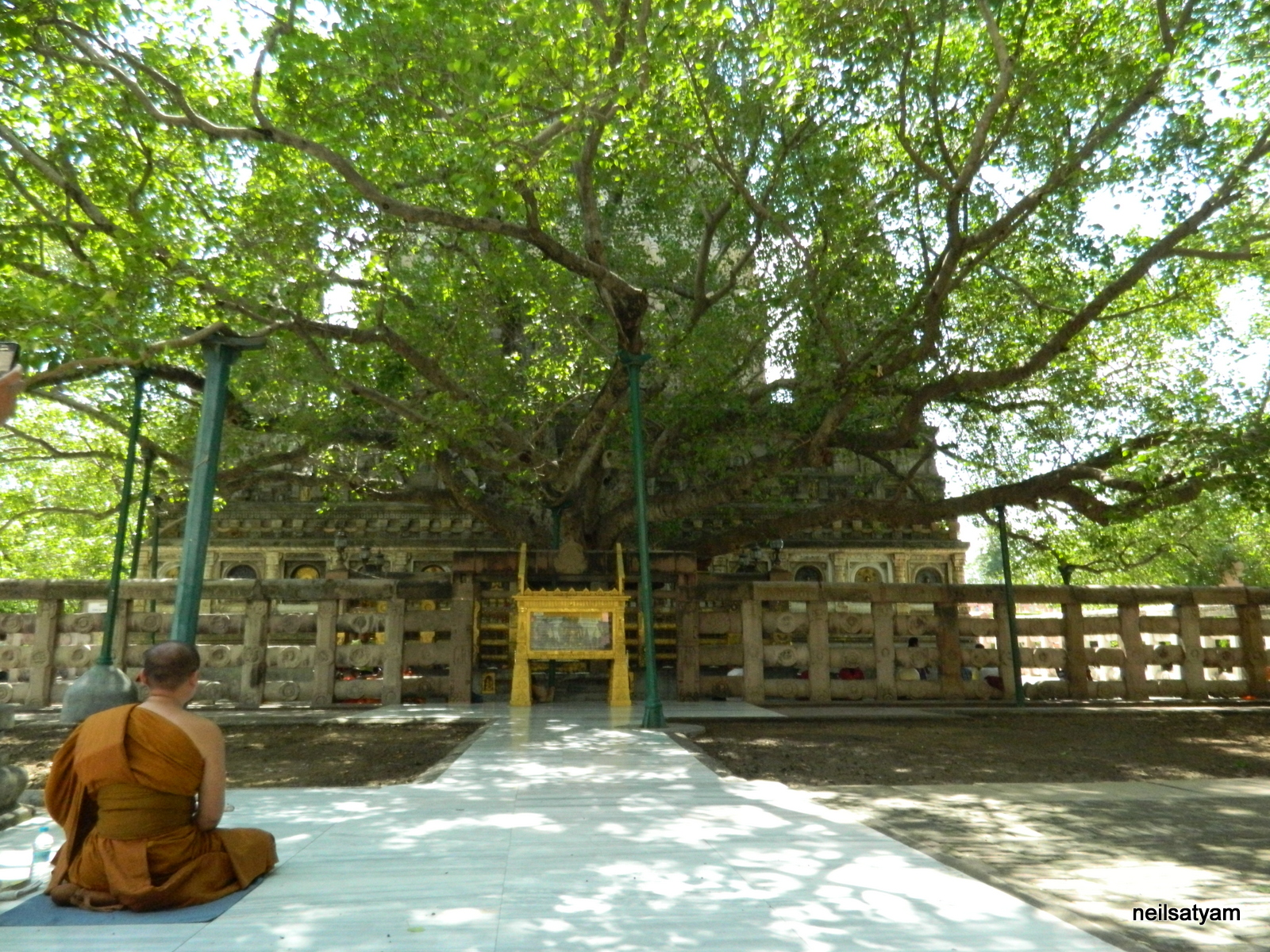
The Dhammapada offers clear guidance on how to use words. In verses 51 and 52, the Buddha compares eloquent speech to a colorful flower. Without action, it lacks fragrance and is fruitless. However, when a person acts on their words, their speech becomes both colorful and fragrant. Verse 258 clarifies that simply speaking a lot does not make a person an astute scholar. Instead, true wisdom involves being secure and free from enmity or fear.
Practicing restraint is a central theme. Verse 133 warns against harsh speech, noting that aggressive words are painful and often result in retaliation. Verse 227 reminds us that no one escapes blame, whether they are silent, talkative, or moderate. To find peace, verse 408 describes the ideal as using words that are polished, informative, and true without offending others. These verses emphasize that calm speech in verse 378 and restraint in verse 361 are essential steps toward ending suffering.
The verses
In book order. Open any verse for the Pali, the copy button and the card maker.
“Intention is the leader of things; intention is first, they’re made by intention. If with pure intent you speak or act, happiness follows you like a shadow that never leaves.”
Manopubbaṅgamā dhammā, manoseṭṭhā manomayā; Manasā ce pasannena, bhāsati vā karoti vā; Tato naṁ sukhamanveti, chāyāva anapāyinī.
“Just like a glorious flower that’s colorful but lacks fragrance; eloquent speech is fruitless for one who does not act on it.”
Yathāpi ruciraṁ pupphaṁ, vaṇṇavantaṁ agandhakaṁ; Evaṁ subhāsitā vācā, aphalā hoti akubbato.
“Just like a glorious flower that’s both colorful and fragrant, eloquent speech is fruitful for one who acts on it.”
Yathāpi ruciraṁ pupphaṁ, Vaṇṇavantaṁ sagandhakaṁ; Evaṁ subhāsitā vācā, Saphalā hoti kubbato.
“Their mind is peaceful, peaceful are their speech and deeds. Such a one is at peace, rightly freed through enlightenment.”
Santaṁ tassa manaṁ hoti, santā vācā ca kamma ca; Sammadaññāvimuttassa, upasantassa tādino.
“Don’t speak harshly, they may speak harshly back. For aggressive speech is painful, and the rod may spring back on you.”
Māvoca pharusaṁ kañci, vuttā paṭivadeyyu taṁ; Dukkhā hi sārambhakathā, paṭidaṇḍā phuseyyu taṁ.
“Not speaking ill nor doing harm; restraint in the monastic code; moderation in eating; staying in remote lodgings; commitment to the higher mind— this is the instruction of the Buddhas.”
Anūpavādo anūpaghāto, Pātimokkhe ca saṁvaro; Mattaññutā ca bhattasmiṁ, Pantañca sayanāsanaṁ; Adhicitte ca āyogo, Etaṁ buddhāna sāsanaṁ.
“Speak the truth, do not be angry, and give when asked, if only a little. By these three means, you may enter the presence of the gods.”
Saccaṁ bhaṇe na kujjheyya, dajjā appampi yācito; Etehi tīhi ṭhānehi, gacche devāna santike.
“It’s always been this way, Atula, it’s not just today. They blame you when you’re silent, they blame you when you speak a lot, and even when you speak just right: no one in the world escapes blame.”
Porāṇametaṁ atula, netaṁ ajjatanāmiva; Nindanti tuṇhimāsīnaṁ, nindanti bahubhāṇinaṁ; Mitabhāṇimpi nindanti, natthi loke anindito.
“Guard against ill-tempered words, be restrained in speech. Giving up bad verbal conduct, conduct yourself well in speech.”
Vacīpakopaṁ rakkheyya, vācāya saṁvuto siyā; Vacīduccaritaṁ hitvā, vācāya sucaritaṁ care.
“An attentive one is restrained in body restrained also in speech, in thought, too, they are restrained: they are restrained in every way.”
Kāyena saṁvutā dhīrā, atho vācāya saṁvutā; Manasā saṁvutā dhīrā, te ve suparisaṁvutā. Kodhavaggo sattarasamo.
“Take anyone in this world who kills living creatures, speaks falsely, steals, commits adultery,”
Yo pāṇamatipāteti, musāvādañca bhāsati; Loke adinnamādiyati, paradārañca gacchati.
“You’re not an astute scholar just because you speak a lot. One who is secure, free of enmity and fear, is said to be astute.”
Na tena paṇḍito hoti, yāvatā bahu bhāsati; Khemī averī abhayo, “paṇḍito”ti pavuccati.
“Guarded in speech, restrained in mind, doing no unskillful bodily deed. Purify these three ways of performing deeds, and win the path known to seers.”
Vācānurakkhī manasā susaṁvuto, Kāyena ca nākusalaṁ kayirā; Ete tayo kammapathe visodhaye, Ārādhaye maggamisippaveditaṁ.
“Restraint of the body is good; good is restraint of speech; restraint of mind is good; everywhere, restraint is good. The mendicant restrained everywhere is released from all suffering.”
Kāyena saṁvaro sādhu, sādhu vācāya saṁvaro; Manasā saṁvaro sādhu, sādhu sabbattha saṁvaro; Sabbattha saṁvuto bhikkhu, sabbadukkhā pamuccati.
“One restrained in hand and foot, and in speech, the supreme restraint; happy inside, serene, solitary, content, I call a mendicant.”
Hatthasaṁyato pādasaṁyato, Vācāsaṁyato saṁyatuttamo; Ajjhattarato samāhito, Eko santusito tamāhu bhikkhuṁ.
“Calm in body, calm in speech, peaceful and serene; a mendicant who’s spat out the world’s bait is said to be one at peace.”
Santakāyo santavāco, santavā susamāhito; Vantalokāmiso bhikkhu, “upasanto”ti vuccati.
“Who does nothing wrong by body, speech or mind, restrained in these three respects, that’s who I declare a brahmin.”
Yassa kāyena vācāya, manasā natthi dukkaṭaṁ; Saṁvutaṁ tīhi ṭhānehi, tamahaṁ brūmi brāhmaṇaṁ.
“The words they utter are polished, informative, and true, and don’t offend anyone: that’s who I declare a brahmin.”
Akakkasaṁ viññāpaniṁ, giraṁ saccamudīraye; Yāya nābhisaje kañci, tamahaṁ brūmi brāhmaṇaṁ.
Where these verses sit
1. Pairs4. Flowers7. The Perfected Ones10. The Rod14. The Buddhas17. Anger18. Stains19. The Just20. The Path25. Mendicants26. Brahmins
Most of these verses come from chapter 1, which the book arranges as a short run on one subject rather than as isolated lines. The opening chapter works in pairs: twenty verses arranged as ten twin verses, each pair holding the same situation in two forms and repeating the same refrain. It opens with the line that sets up the whole book — intention is the leader of things — and then runs the contrast through blame and forgiveness, hatred and its ending, and the difference between a mind that is guarded and one that is not.
Questions
What do verses 51 and 52 say about eloquent speech?
These verses compare speech to a glorious flower. Verse 51 explains that eloquent speech is fruitless if the speaker does not act on it, like a colorful flower without fragrance. Verse 52 states that speech is fruitful only when the person acts accordingly. The Dhammapada emphasizes that the value of words depends entirely on the conduct and integrity of the person speaking them.
What is verse 227 about and why is it quoted so often?
Verse 227 is a famous observation on the inevitability of criticism. It explains to Atula that people will find reasons to blame you whether you are silent, speak at length, or speak in moderation. It is frequently quoted because it provides perspective on social judgment. The verse teaches that since no one escapes blame, one should focus on internal restraint rather than seeking universal approval.
Is "right speech" in the Dhammapada?
While the Dhammapada mentions the eightfold path in the area of verse 273, it does not explicitly list the formal four-part definition of right speech found in other suttas. Instead, the book offers various verses on verbal conduct, such as verse 224 on speaking the truth and verse 232 on guarding against ill-tempered words. It focuses more on the practice of restraint than formal lists.
How many speech verses are on this page and are they all real?
This page lists 19 verses from the Dhammapada whose English text speaks about speech or silence directly. Every quote includes its verse number so you can check it in any edition. The site never invents quotations or attributes outside sayings to the Buddha; the text is Bhikkhu Sujato’s CC0 translation of all 423 verses.
What is the practical instruction in verse 133?
Verse 133 provides a practical warning about the consequences of harsh language. It advises against speaking harshly because others may respond in kind. The verse describes aggressive speech as painful and warns that "the rod may spring back on you." The instruction is to avoid verbal aggression to prevent the cycle of conflict and the personal suffering that follows such unskillful behavior.
Read next
Every line on this page is a verse of the Dhammapada, numbered and unaltered. English translation by Bhikkhu Sujato, released CC0 via SuttaCentral; the Pali is the Mahāsaṅgīti edition held there. See sources for the full licence trail.