“Here they grieve, hereafter they grieve, an evildoer grieves in both places. They grieve and fret, seeing their own corrupt deeds.”
Idha socati pecca socati, Pāpakārī ubhayattha socati; So socati so vihaññati, Disvā kammakiliṭṭhamattano.
Buddha Quotes on Karma, from the Dhammapada
81 verses of 423 · English by Bhikkhu Sujato (CC0) · Pali alongside
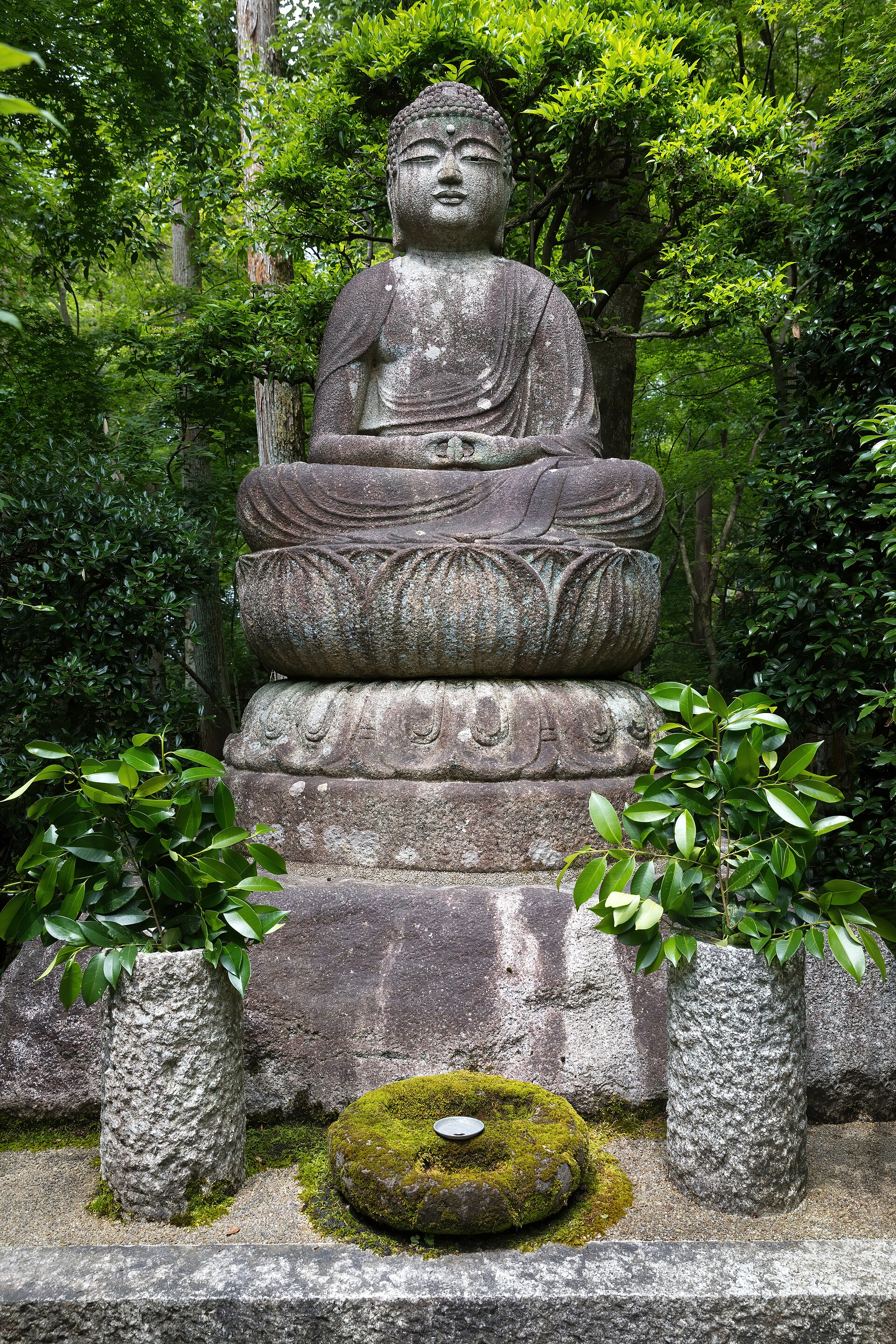
The word karma means action, and the Dhammapada treats it that way: its first two verses say that intention leads, that things are made by intention, and that the person who acts with a corrupted intention is followed by suffering the way the wheel follows the foot of the ox. That is the whole doctrine in two lines.
What the book adds is patience about timing. Verse 66 and 67 make the point that an evil deed tastes sweet until it ripens, and that a person who weeps later would have been better not to have done it. Chapter 9 spends thirteen verses on exactly that delay.
The verses
In book order. Open any verse for the Pali, the copy button and the card maker.
“Here they rejoice, hereafter they rejoice, one who does good rejoices in both places. They rejoice and celebrate, seeing their own pure deeds.”
Idha modati pecca modati, Katapuñño ubhayattha modati; So modati so pamodati, Disvā kammavisuddhimattano.
“Here they’re tormented, <j>hereafter they’re tormented, an evildoer is tormented in both places. They’re tormented <j>thinking of bad things they’ve done; when gone to a bad place, <j>they’re tormented all the more.”
Idha tappati pecca tappati, Pāpakārī ubhayattha tappati; “Pāpaṁ me katan”ti tappati, Bhiyyo tappati duggatiṁ gato.
“Much though they may recite scripture, if a negligent person does not apply them, then, like a cowherd who counts the cattle of others, they miss out on the blessings of the ascetic life.”
Bahumpi ce saṁhita bhāsamāno, Na takkaro hoti naro pamatto; Gopova gāvo gaṇayaṁ paresaṁ, Na bhāgavā sāmaññassa hoti.
“Little though they may recite scripture, if they live in line with the teaching, having given up greed, hate, and delusion, with deep understanding and heart well freed, not grasping to this life or the next, they share in the blessings of the ascetic life.”
Appampi ce saṁhita bhāsamāno, Dhammassa hoti anudhammacārī; Rāgañca dosañca pahāya mohaṁ, Sammappajāno suvimuttacitto; Anupādiyāno idha vā huraṁ vā, Sa bhāgavā sāmaññassa hoti. Yamakavaggo paṭhamo.
“For the hard-working and mindful, pure of deed and attentive, restrained, living righteously, and diligent, their reputation only grows.”
Uṭṭhānavato satīmato, Sucikammassa nisammakārino; Saññatassa dhammajīvino, Appamattassa yasobhivaḍḍhati.
“Heedful among the heedless, wide awake while others sleep— a true sage leaves them behind, like a swift horse passing a feeble.”
Appamatto pamattesu, suttesu bahujāgaro; Abalassaṁva sīghasso, hitvā yāti sumedhaso.
“Fools and simpletons behave like their own worst enemies, doing wicked deeds that ripen as bitter fruit.”
Caranti bālā dummedhā, amitteneva attanā; Karontā pāpakaṁ kammaṁ, yaṁ hoti kaṭukapphalaṁ.
“It’s not good to do a deed that plagues you later on, for which you weep and wail, as its effect stays with you.”
Na taṁ kammaṁ kataṁ sādhu, yaṁ katvā anutappati; Yassa assumukho rodaṁ, vipākaṁ paṭisevati.
“It is good to do a deed that doesn’t plague you later on, that gladdens and cheers, as its effect stays with you.”
Tañca kammaṁ kataṁ sādhu, yaṁ katvā nānutappati; Yassa patīto sumano, vipākaṁ paṭisevati.
“The fool imagines that evil is sweet, so long as it has not yet ripened. But as soon as that evil ripens, they fall into suffering.”
Madhuṁvā maññati bālo, yāva pāpaṁ na paccati; Yadā ca paccati pāpaṁ, atha dukkhaṁ nigacchati.
“For a wicked deed that has been done does not curdle quickly like milk. Smoldering, it follows the fool, like a fire smothered over with ash.”
Na hi pāpaṁ kataṁ kammaṁ, Sajjukhīraṁva muccati; Ḍahantaṁ bālamanveti, Bhasmacchannova pāvako.
“Advise and instruct; curb wickedness: for you shall be loved by the good, and disliked by the bad.”
Ovadeyyānusāseyya, asabbhā ca nivāraye; Satañhi so piyo hoti, asataṁ hoti appiyo.
“they’d long for satisfaction there. Forsaking sensual pleasures, owning nothing, an astute person would cleanse themselves of mental corruptions.”
Tatrābhiratimiccheyya, hitvā kāme akiñcano; Pariyodapeyya attānaṁ, cittaklesehi paṇḍito.
“Their mind is peaceful, peaceful are their speech and deeds. Such a one is at peace, rightly freed through enlightenment.”
Santaṁ tassa manaṁ hoti, santā vācā ca kamma ca; Sammadaññāvimuttassa, upasantassa tādino.
“Lacking faith, a house-breaker, one who acknowledges nothing, purged of hope, they’ve wasted their chance: that is indeed the supreme person!”
Assaddho akataññū ca, sandhicchedo ca yo naro; Hatāvakāso vantāso, sa ve uttamaporiso.
“Better than a thousand meaningless sayings is a single meaningful saying, hearing which brings you peace.”
Sahassamapi ce vācā, anatthapadasaṁhitā; Ekaṁ atthapadaṁ seyyo, yaṁ sutvā upasammati.
“Better than a thousand meaningless verses is a single meaningful verse, hearing which brings you peace.”
Sahassamapi ce gāthā, anatthapadasaṁhitā; Ekaṁ gāthāpadaṁ seyyo, yaṁ sutvā upasammati.
“Better than reciting a hundred meaningless verses is a single saying of Dhamma, hearing which brings you peace.”
Yo ca gāthā sataṁ bhāse, anatthapadasaṁhitā; Ekaṁ dhammapadaṁ seyyo, yaṁ sutvā upasammati.
“The supreme conqueror is not he who conquers a million men in battle, but he who conquers a single man: himself.”
Yo sahassaṁ sahassena, saṅgāme mānuse jine; Ekañca jeyyamattānaṁ, sa ve saṅgāmajuttamo.
“Rather than a thousandfold sacrifice, every month for a full century, it’s better to honor for a single hour one who has developed themselves. That offering is better than the hundred year sacrifice.”
Māse māse sahassena, yo yajetha sataṁ samaṁ; Ekañca bhāvitattānaṁ, muhuttamapi pūjaye; Sāyeva pūjanā seyyo, yañce vassasataṁ hutaṁ.
“Rather than serve the sacred flame in the forest for a hundred years, it’s better to honor for a single hour a personage who has developed themselves. That offering is better than the hundred year sacrifice.”
Yo ca vassasataṁ jantu, aggiṁ paricare vane; Ekañca bhāvitattānaṁ, muhuttamapi pūjaye; Sāyeva pūjanā seyyo, yañce vassasataṁ hutaṁ.
“Whatever sacrifice or offering in the world a seeker of merit may make for a year, none of it is worth a quarter of bowing to the sincere.”
Yaṁ kiñci yiṭṭhaṁ va hutaṁ va loke, Saṁvaccharaṁ yajetha puññapekkho; Sabbampi taṁ na catubhāgameti, Abhivādanā ujjugatesu seyyo.
“For one in the habit of bowing, always honoring the elders, four blessings grow: lifespan, beauty, happiness, and strength.”
Abhivādanasīlissa, niccaṁ vuḍḍhāpacāyino; Cattāro dhammā vaḍḍhanti, āyu vaṇṇo sukhaṁ balaṁ.
“Better to live a single day ethical and absorbed in meditation than to live a hundred years unethical and lacking immersion.”
Yo ca vassasataṁ jīve, dussīlo asamāhito; Ekāhaṁ jīvitaṁ seyyo, sīlavantassa jhāyino.
“Better to live a single day wise and absorbed in meditation than to live a hundred years witless and lacking immersion.”
Yo ca vassasataṁ jīve, duppañño asamāhito; Ekāhaṁ jīvitaṁ seyyo, paññavantassa jhāyino.
“Better to live a single day energetic and strong, than to live a hundred years lazy and lacking energy.”
Yo ca vassasataṁ jīve, kusīto hīnavīriyo; Ekāhaṁ jīvitaṁ seyyo, vīriyamārabhato daḷhaṁ.
“Better to live a single day seeing rise and fall than to live a hundred years blind to rise and fall.”
Yo ca vassasataṁ jīve, apassaṁ udayabbayaṁ; Ekāhaṁ jīvitaṁ seyyo, passato udayabbayaṁ.
“Better to live a single day seeing the state free of death than to live a hundred years blind to the state free of death.”
Yo ca vassasataṁ jīve, apassaṁ amataṁ padaṁ; Ekāhaṁ jīvitaṁ seyyo, passato amataṁ padaṁ.
“Better to live a single day seeing the supreme teaching than to live a hundred years blind to the supreme teaching.”
Yo ca vassasataṁ jīve, apassaṁ dhammamuttamaṁ; Ekāhaṁ jīvitaṁ seyyo, passato dhammamuttamaṁ. Sahassavaggo aṭṭhamo.
“Rush to do good, shield your mind from evil; for when you’re slow to do good, your thoughts delight in wickedness.”
Abhittharetha kalyāṇe, pāpā cittaṁ nivāraye; Dandhañhi karoto puññaṁ, pāpasmiṁ ramatī mano.
“If you do something bad, don’t do it again and again, don’t set your heart on it, for piling up evil is suffering.”
Pāpañce puriso kayirā, Na naṁ kayirā punappunaṁ; Na tamhi chandaṁ kayirātha, Dukkho pāpassa uccayo.
“Even the wicked see good things, so long as their wickedness has not ripened. But as soon as that wickedness ripens, then the wicked see wicked things.”
Pāpopi passati bhadraṁ, Yāva pāpaṁ na paccati; Yadā ca paccati pāpaṁ, Atha pāpo pāpāni passati.
“Even the good see wicked things, so long as their goodness has not ripened. But as soon as that goodness ripens, then the good see good things.”
Bhadropi passati pāpaṁ, Yāva bhadraṁ na paccati; Yadā ca paccati bhadraṁ, Atha bhadro bhadrāni passati.
“Think not lightly of evil, that it won’t come back to you. The pot is filled with water falling drop by drop; the fool is filled with wickedness piled up bit by bit.”
Māvamaññetha pāpassa, na mantaṁ āgamissati; Udabindunipātena, udakumbhopi pūrati; Bālo pūrati pāpassa, thokaṁ thokampi ācinaṁ.
“Avoid wickedness, as a merchant with rich cargo and small escort would avoid a dangerous road, or one who loves life would avoid drinking poison.”
Vāṇijova bhayaṁ maggaṁ, appasattho mahaddhano; Visaṁ jīvitukāmova, pāpāni parivajjaye.
“Whoever wrongs a man who has done no wrong, a pure man who has not a blemish, the evil backfires on the fool, like fine dust thrown upwind.”
Yo appaduṭṭhassa narassa dussati, Suddhassa posassa anaṅgaṇassa; Tameva bālaṁ pacceti pāpaṁ, Sukhumo rajo paṭivātaṁva khitto.
“Some are born in a womb; evildoers go to hell; the virtuous go to heaven; the undefiled are fully extinguished.”
Gabbhameke uppajjanti, nirayaṁ pāpakammino; Saggaṁ sugatino yanti, parinibbanti anāsavā.
“Not in midair, nor mid-ocean, nor hiding in a mountain cleft; you’ll find no place on the planet to escape your wicked deeds.”
Na antalikkhe na samuddamajjhe, Na pabbatānaṁ vivaraṁ pavissa; Na vijjatī so jagatippadeso, Yatthaṭṭhito mucceyya pāpakammā.
“The fool does not understand the evil that they do. But because of those deeds, that simpleton is tormented as if burnt by fire.”
Atha pāpāni kammāni, karaṁ bālo na bujjhati; Sehi kammehi dummedho, aggidaḍḍhova tappati.
“If one were to treat oneself as one instructs another, the well-tamed indeed would tame: for the self, it seems, is hard to tame.”
Attānañce tathā kayirā, yathāññamanusāsati; Sudanto vata dametha, attā hi kira duddamo.
“One is indeed the lord of oneself, for who else would be one’s lord? By means of a well-tamed self, one gains a lord that’s rare indeed.”
Attā hi attano nātho, ko hi nātho paro siyā; Attanā hi sudantena, nāthaṁ labhati dullabhaṁ.
“For the evil that is done by oneself, born and produced in oneself, grinds down a simpleton, as diamond grinds a lesser gem.”
Attanā hi kataṁ pāpaṁ, Attajaṁ attasambhavaṁ; Abhimatthati dummedhaṁ, Vajiraṁvasmamayaṁ maṇiṁ.
“On account of wicked views— scorning the guidance of the perfected ones, the noble ones living righteously— the idiot begets their own self’s demise, like the bamboo bearing fruit.”
Yo sāsanaṁ arahataṁ, ariyānaṁ dhammajīvinaṁ; Paṭikkosati dummedho, diṭṭhiṁ nissāya pāpikaṁ; Phalāni kaṭṭhakasseva, attaghātāya phallati.
“For it is by oneself that evil’s done, one is corrupted by oneself. It’s by oneself that evil’s not done, one is purified by oneself. Purity and impurity are personal matters, no one can purify another.”
Attanā hi kataṁ pāpaṁ, attanā saṅkilissati; Attanā akataṁ pāpaṁ, attanāva visujjhati; Suddhī asuddhi paccattaṁ, nāñño aññaṁ visodhaye.
Showing 45 of 81. The rest are on the full text page.
Where these verses sit
1. Pairs2. Diligence5. The Fool6. The Astute7. The Perfected Ones8. The Thousands9. Wickedness10. The Rod12. The Self
Most of these verses come from chapter 1, which the book arranges as a short run on one subject rather than as isolated lines. The opening chapter works in pairs: twenty verses arranged as ten twin verses, each pair holding the same situation in two forms and repeating the same refrain. It opens with the line that sets up the whole book — intention is the leader of things — and then runs the contrast through blame and forgiveness, hatred and its ending, and the difference between a mind that is guarded and one that is not.
Questions
Does the Dhammapada teach karma?
Yes, in the plain sense of action and consequence. Verses 1–2 make intention the operative cause, and chapters 1, 5, 9 and 22 return repeatedly to deeds and what they ripen into.
Is karma fate?
The Dhammapada does not present it as fate. Its emphasis is on what is being done now — verse 117 says that if you do something bad, do not do it again and again, because it accumulates.
Which verse is most quoted on karma?
Verses 1–2 on intention leading, and verse 165 on the evil done by oneself staining oneself. Both are short and are among the most reproduced passages in the book.
Read next
Every line on this page is a verse of the Dhammapada, numbered and unaltered. English translation by Bhikkhu Sujato, released CC0 via SuttaCentral; the Pali is the Mahāsaṅgīti edition held there. See sources for the full licence trail.