“They who regularly meditate, always staunchly vigorous; the attentive realize extinguishment, the supreme sanctuary from the yoke.”
Te jhāyino sātatikā, niccaṁ daḷhaparakkamā; Phusanti dhīrā nibbānaṁ, yogakkhemaṁ anuttaraṁ.
Buddha Quotes on Meditation, from the Dhammapada
59 verses of 423 · English by Bhikkhu Sujato (CC0) · Pali alongside
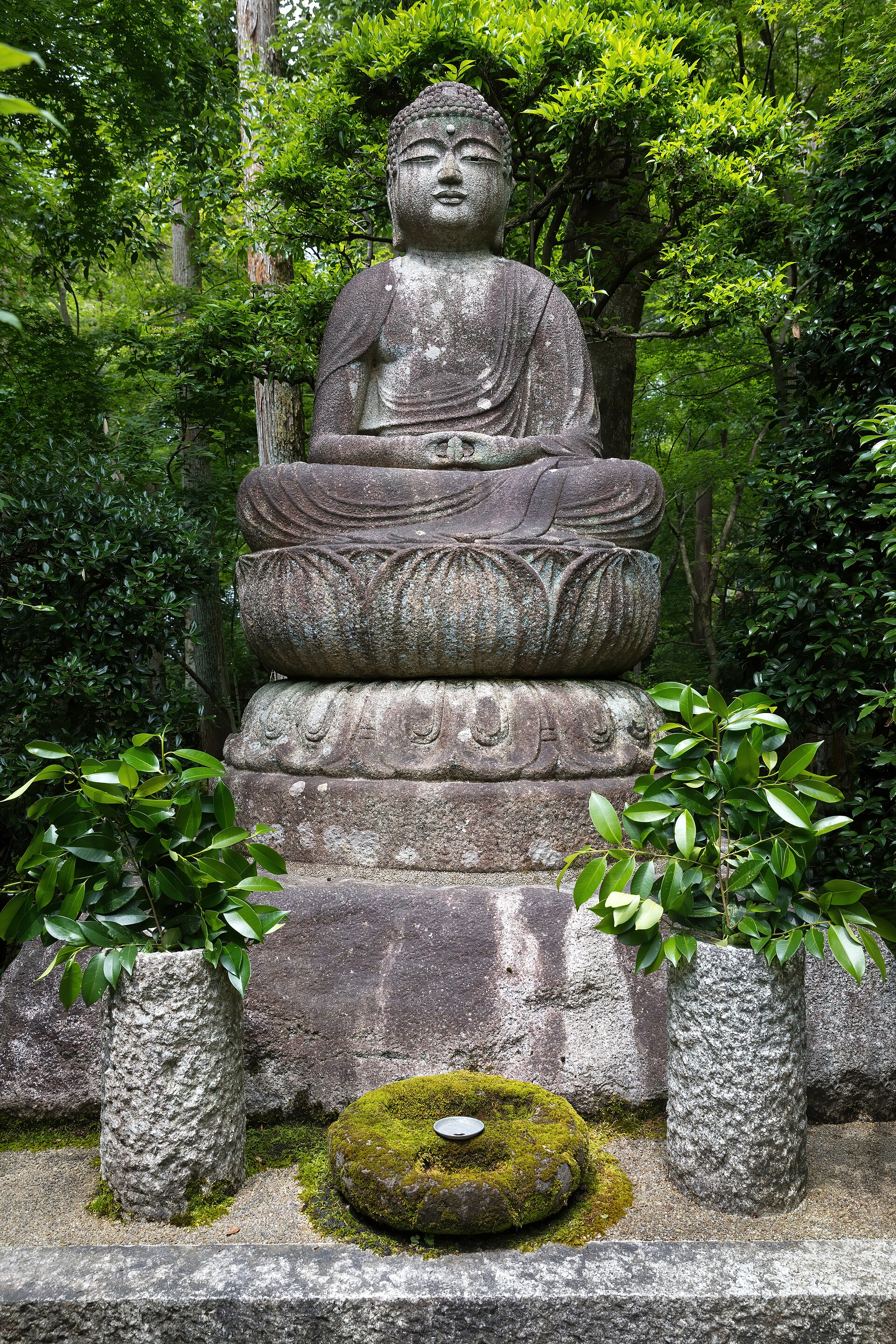
The Dhammapada provides specific guidance for those who regularly meditate. In verse 23, the text describes how those who are staunchly vigorous and attentive can realize extinguishment. This practice requires being hard-working and mindful, as noted in verse 24. Rather than devoting yourself to negligence, verse 27 suggests you should be diligent and meditate. These verses emphasize that meditation is not a passive activity but a disciplined training of the mind to reach a state of peace.
Ethical conduct is inseparable from mental development in this tradition. Verse 110 states it is better to live a single day ethical and absorbed in meditation than a century without these qualities. For those accomplished in ethics, meditating diligently prevents Mara from finding their path, according to verse 57. Developing immersion and urgency, as verse 144 describes, allows a practitioner to leave behind suffering. These authentic sayings offer a clear map for anyone practicing mindfulness and seeking the path to quenching.
The verses
In book order. Open any verse for the Pali, the copy button and the card maker.
“For the hard-working and mindful, pure of deed and attentive, restrained, living righteously, and diligent, their reputation only grows.”
Uṭṭhānavato satīmato, Sucikammassa nisammakārino; Saññatassa dhammajīvino, Appamattassa yasobhivaḍḍhati.
“Don’t devote yourself to negligence, or delight in erotic intimacy. For if you’re diligent and meditate, you’ll attain abundant happiness.”
Mā pamādamanuyuñjetha, mā kāmaratisanthavaṁ; Appamatto hi jhāyanto, pappoti vipulaṁ sukhaṁ.
“When the astute dispel negligence by means of diligence, ascending the palace of wisdom, sorrowless, they behold this generation of sorrow, as an attentive one on a mountain top beholds the fools below.”
Pamādaṁ appamādena, yadā nudati paṇḍito; Paññāpāsādamāruyha, asoko sokiniṁ pajaṁ; Pabbataṭṭhova bhūmaṭṭhe, dhīro bāle avekkhati.
“For those accomplished in ethics, meditating diligently, freed through the highest knowledge, Māra cannot find their path.”
Tesaṁ sampannasīlānaṁ, appamādavihārinaṁ; Sammadaññāvimuttānaṁ, māro maggaṁ na vindati.
“For the means to profit and the path to quenching are two quite different things. A mendicant disciple of the Buddha, understanding what this really means, would never delight in honors, but rather would foster seclusion.”
Aññā hi lābhūpanisā, aññā nibbānagāminī; Evametaṁ abhiññāya, bhikkhu buddhassa sāvako; Sakkāraṁ nābhinandeyya, vivekamanubrūhaye. Bālavaggo pañcamo.
“When the teaching is well explained, the people who practice accordingly will cross over Death’s dominion so hard to pass.”
Ye ca kho sammadakkhāte, dhamme dhammānuvattino; Te janā pāramessanti, maccudheyyaṁ suduttaraṁ.
“The mindful apply themselves; they delight in no abode. Like a swan gone from the marsh, they leave home after home behind.”
Uyyuñjanti satīmanto, na nikete ramanti te; Haṁsāva pallalaṁ hitvā, okamokaṁ jahanti te.
“Those with nothing stored up, who have understood their food, whose domain is the liberation of the signless and the empty: their path is hard to trace, like birds in the sky.”
Yesaṁ sannicayo natthi, ye pariññātabhojanā; Suññato animitto ca, vimokkho yesaṁ gocaro; Ākāseva sakuntānaṁ, gati tesaṁ durannayā.
“Better to live a single day ethical and absorbed in meditation than to live a hundred years unethical and lacking immersion.”
Yo ca vassasataṁ jīve, dussīlo asamāhito; Ekāhaṁ jīvitaṁ seyyo, sīlavantassa jhāyino.
“Better to live a single day wise and absorbed in meditation than to live a hundred years witless and lacking immersion.”
Yo ca vassasataṁ jīve, duppañño asamāhito; Ekāhaṁ jīvitaṁ seyyo, paññavantassa jhāyino.
“Think not lightly of goodness, that it won’t come back to you. The pot is filled with water falling drop by drop; the attentive one is filled with goodness piled up bit by bit.”
Māvamaññetha puññassa, na mandaṁ āgamissati; Udabindunipātena, udakumbhopi pūrati; Dhīro pūrati puññassa, thokaṁ thokampi ācinaṁ.
“Dressed up they may be, but if they live well— peaceful, tamed, committed to the spiritual path, having laid aside violence toward all creatures— they are a brahmin, an ascetic, a mendicant.”
Alaṅkato cepi samaṁ careyya, Santo danto niyato brahmacārī; Sabbesu bhūtesu nidhāya daṇḍaṁ, So brāhmaṇo so samaṇo sa bhikkhu.
“Like a fine horse under the whip, be keen and full of urgency. With faith, ethics, and energy, immersion, and investigation of principles, accomplished in knowledge and conduct, mindful, give up this vast suffering.”
Asso yathā bhadro kasāniviṭṭho, Ātāpino saṁvegino bhavātha; Saddhāya sīlena ca vīriyena ca, Samādhinā dhammavinicchayena ca; Sampannavijjācaraṇā patissatā, Jahissatha dukkhamidaṁ anappakaṁ.
“When young they spurned the spiritual path and failed to earn any wealth. Now they brood like old cranes in a pond bereft of fish.”
Acaritvā brahmacariyaṁ, aladdhā yobbane dhanaṁ; Jiṇṇakoñcāva jhāyanti, khīṇamaccheva pallale.
“When young they spurned the spiritual path and failed to earn any wealth. Now they lie like spent arrows, bemoaning over things past.”
Acaritvā brahmacariyaṁ, aladdhā yobbane dhanaṁ; Senti cāpātikhīṇāva, purāṇāni anutthunaṁ. Jarāvaggo ekādasamo.
“Swans fly by the sun’s path, psychic sages fly through space. The attentive leave the world, having vanquished Māra with his legions.”
Haṁsādiccapathe yanti, ākāse yanti iddhiyā; Nīyanti dhīrā lokamhā, jetvā māraṁ savāhiniṁ.
“The miserly don’t ascend to heaven, it takes a fool to not praise giving. The attentive celebrate giving, and so find happiness in the hereafter.”
Na ve kadariyā devalokaṁ vajanti, Bālā have nappasaṁsanti dānaṁ; Dhīro ca dānaṁ anumodamāno, Teneva so hoti sukhī parattha.
“The attentive intent on absorption, who love the peace of renunciation, the Buddhas, ever mindful, are envied by even the gods.”
Ye jhānapasutā dhīrā, nekkhammūpasame ratā; Devāpi tesaṁ pihayanti, sambuddhānaṁ satīmataṁ.
“suffering, suffering’s origin, suffering’s transcendence, and the noble eightfold path that leads to the stilling of suffering.”
Dukkhaṁ dukkhasamuppādaṁ, dukkhassa ca atikkamaṁ; Ariyaṁ caṭṭhaṅgikaṁ maggaṁ, dukkhūpasamagāminaṁ.
“It’s hard to find a thoroughbred man: they’re not born just anywhere. A family where that attentive one is born prospers in happiness.”
Dullabho purisājañño, na so sabbattha jāyati; Yattha so jāyati dhīro, taṁ kulaṁ sukhamedhati.
“For one who consorts with fools grieves long. Painful is living with fools, like being stuck with your enemy. Happy is living with an attentive one, like meeting with your kin.”
Bālasaṅgatacārī hi, dīghamaddhāna socati; Dukkho bālehi saṁvāso, amitteneva sabbadā; Dhīro ca sukhasaṁvāso, ñātīnaṁva samāgamo.
“Therefore: An attentive one, wise and learned, a behemoth of virtue, true to their vows, noble: follow a true and intelligent person such as this, as the moon tracks the path of the stars.”
Tasmā hi— Dhīrañca paññañca bahussutañca, Dhorayhasīlaṁ vatavantamariyaṁ; Taṁ tādisaṁ sappurisaṁ sumedhaṁ, Bhajetha nakkhattapathaṁva candimā. Sukhavaggo pannarasamo.
“One eager to realize the ineffable would be filled with awareness. Their mind not bound to pleasures of sense, they’re said to be heading upstream.”
Chandajāto anakkhāte, Manasā ca phuṭo siyā; Kāmesu ca appaṭibaddhacitto, Uddhaṁsototi vuccati.
“An attentive one is restrained in body restrained also in speech, in thought, too, they are restrained: they are restrained in every way.”
Kāyena saṁvutā dhīrā, atho vācāya saṁvutā; Manasā saṁvutā dhīrā, te ve suparisaṁvutā. Kodhavaggo sattarasamo.
“One who is truthful and principled, harmless, restrained, and self-controlled, attentive, purged of stains, is said to be a senior.”
Yamhi saccañca dhammo ca, ahiṁsā saṁyamo damo; Sa ve vantamalo dhīro, “thero” iti pavuccati.
“Not by precepts and observances, nor by much learning, nor by meditative immersion, nor by living in seclusion,”
Na sīlabbatamattena, bāhusaccena vā pana; Atha vā samādhilābhena, vivittasayanena vā.
“Of paths, the eightfold is the best; of truths, the four statements; dispassion is the best of things, and the Clear-eyed One is the best of humans.”
Maggānaṭṭhaṅgiko seṭṭho, saccānaṁ caturo padā; Virāgo seṭṭho dhammānaṁ, dvipadānañca cakkhumā.
“<em>This</em> is the path, there is no other for the purification of vision. You all must practice this, it is the way to baffle Māra.”
Eseva maggo natthañño, Dassanassa visuddhiyā; Etañhi tumhe paṭipajjatha, Mārassetaṁ pamohanaṁ.
“When you all are practicing this, you’ll make an end of suffering. I have explained the path to you for extracting the thorn with wisdom.”
Etañhi tumhe paṭipannā, dukkhassantaṁ karissatha; Akkhāto vo mayā maggo, aññāya sallakantanaṁ.
“You yourselves must do the work, the Realized Ones just show the way. Meditators practicing absorption are released from Māra’s bonds.”
Tumhehi kiccamātappaṁ, akkhātāro tathāgatā; Paṭipannā pamokkhanti, jhāyino mārabandhanā.
“All conditions are impermanent— when this is seen with wisdom, one grows disillusioned with suffering: this is the path to purity.”
“Sabbe saṅkhārā aniccā”ti, yadā paññāya passati; Atha nibbindati dukkhe, esa maggo visuddhiyā.
“All conditions are suffering— when this is seen with wisdom, one grows disillusioned with suffering: this is the path to purity.”
“Sabbe saṅkhārā dukkhā”ti, yadā paññāya passati; Atha nibbindati dukkhe, esa maggo visuddhiyā.
“All things are not-self— when this is seen with wisdom, one grows disillusioned with suffering: this is the path to purity.”
“Sabbe dhammā anattā”ti, yadā paññāya passati; Atha nibbindati dukkhe, esa maggo visuddhiyā.
“They don’t get going when it’s time to start; they’re young and strong, but given to sloth. Their mind depressed in sunken thought, lazy and slothful, they can’t discern the path.”
Uṭṭhānakālamhi anuṭṭhahāno, Yuvā balī ālasiyaṁ upeto; Saṁsannasaṅkappamano kusīto, Paññāya maggaṁ alaso na vindati.
“Guarded in speech, restrained in mind, doing no unskillful bodily deed. Purify these three ways of performing deeds, and win the path known to seers.”
Vācānurakkhī manasā susaṁvuto, Kāyena ca nākusalaṁ kayirā; Ete tayo kammapathe visodhaye, Ārādhaye maggamisippaveditaṁ.
“From meditation springs wisdom, without meditation, wisdom ends. Knowing these two paths— of progress and decline— you should conduct yourself so that wisdom grows.”
Yogā ve jāyatī bhūri, ayogā bhūrisaṅkhayo; Etaṁ dvedhāpathaṁ ñatvā, bhavāya vibhavāya ca; Tathāttānaṁ niveseyya, yathā bhūri pavaḍḍhati.
“Cut out affection for oneself, like plucking an autumn lotus. Foster only the path to peace, the extinguishment the Holy One taught.”
Ucchinda sinehamattano, Kumudaṁ sāradikaṁva pāṇinā; Santimaggameva brūhaya, Nibbānaṁ sugatena desitaṁ.
“Knowing the reason for this, astute, and ethically restrained, one would quickly clear the path that leads to extinguishment.”
Etamatthavasaṁ ñatvā, paṇḍito sīlasaṁvuto; Nibbānagamanaṁ maggaṁ, khippameva visodhaye. Maggavaggo vīsatimo.
“If by giving up material happiness one sees abundant happiness, the attentive would give up material happiness, seeing the abundant happiness.”
Mattāsukhapariccāgā, passe ce vipulaṁ sukhaṁ; Caje mattāsukhaṁ dhīro, sampassaṁ vipulaṁ sukhaṁ.
Showing 40 of 59. The rest are on the full text page.
Where these verses sit
2. Diligence4. Flowers5. The Fool6. The Astute7. The Perfected Ones8. The Thousands9. Wickedness10. The Rod11. Old Age13. The World14. The Buddhas15. Happiness16. The Beloved17. Anger19. The Just20. The Path21. Miscellaneous
Most of these verses come from chapter 2, which the book arranges as a short run on one subject rather than as isolated lines. This chapter is built on one opposition: heedfulness and negligence. Its twelve verses return again and again to the claim that the heedful person does not fall where the negligent one does, and it closes with a portrait of the diligent practitioner advancing like fire. Verses 21–23 are the ones usually quoted on death and the deathless.
Questions
Are these real verses or paraphrases?
The quotes on this site are direct translations of the Pali Dhammapada by Bhikkhu Sujato. We do not use modern paraphrases or invent quotations. Each verse includes its specific number so you can verify it against the original text. Our FAQ section explicitly states that we never invent sayings, ensuring you are reading the actual words preserved in the Buddhist canon.
What does the Dhammapada say meditation is for?
The text presents meditation as a tool for achieving extinguishment and quenching. Verse 23 explains that those who meditate realize the supreme state. Practicing the teaching, not just hearing it, is what crosses over Death’s dominion, as verse 86 puts it. The verses suggest that meditation, combined with ethics and wisdom, leads to the character verse 142 describes: peaceful, tamed, and committed to the spiritual path.
Is 'mind is everything, what you think you become' a real quote?
No, that specific phrase does not appear in the Dhammapada or the wider Pali canon. While verses 1 and 2 discuss the mind as the forerunner of all things, they do not use that modern phrasing. This site only publishes authentic verses. If a popular quote is not found in the 423 verses of the Dhammapada, we do not include it here.
Which chapter helps a beginner start?
Appamādavagga — the chapter this site labels Diligence — is an excellent starting point. It contains verses 23, 24, and 27, which explain the basic requirements for practice. These verses emphasize being diligent and mindful. While the book is thin on specific breath techniques, it clearly outlines the mental qualities, such as being attentive and restrained, needed to begin a successful meditation practice.
How is mindfulness (sati) shown in these verses?
In the Dhammapada, mindfulness or sati is often linked with being diligent and attentive. Verse 24 describes the mindful as hard-working and pure of deed. Verse 91 notes that the mindful apply themselves and do not delight in fixed abodes. These verses show that mindfulness is an active state of being keen and full of urgency, rather than just a relaxation technique or simple awareness.
Read next
Every line on this page is a verse of the Dhammapada, numbered and unaltered. English translation by Bhikkhu Sujato, released CC0 via SuttaCentral; the Pali is the Mahāsaṅgīti edition held there. See sources for the full licence trail.