“When others do not understand, let us, who do understand this, restrain ourselves in this regard; for that is how conflicts are laid to rest.”
Pare ca na vijānanti, mayamettha yamāmase; Ye ca tattha vijānanti, tato sammanti medhagā.
Buddha Quotes on Self-Discipline, from the Dhammapada
59 verses of 423 · English by Bhikkhu Sujato (CC0) · Pali alongside
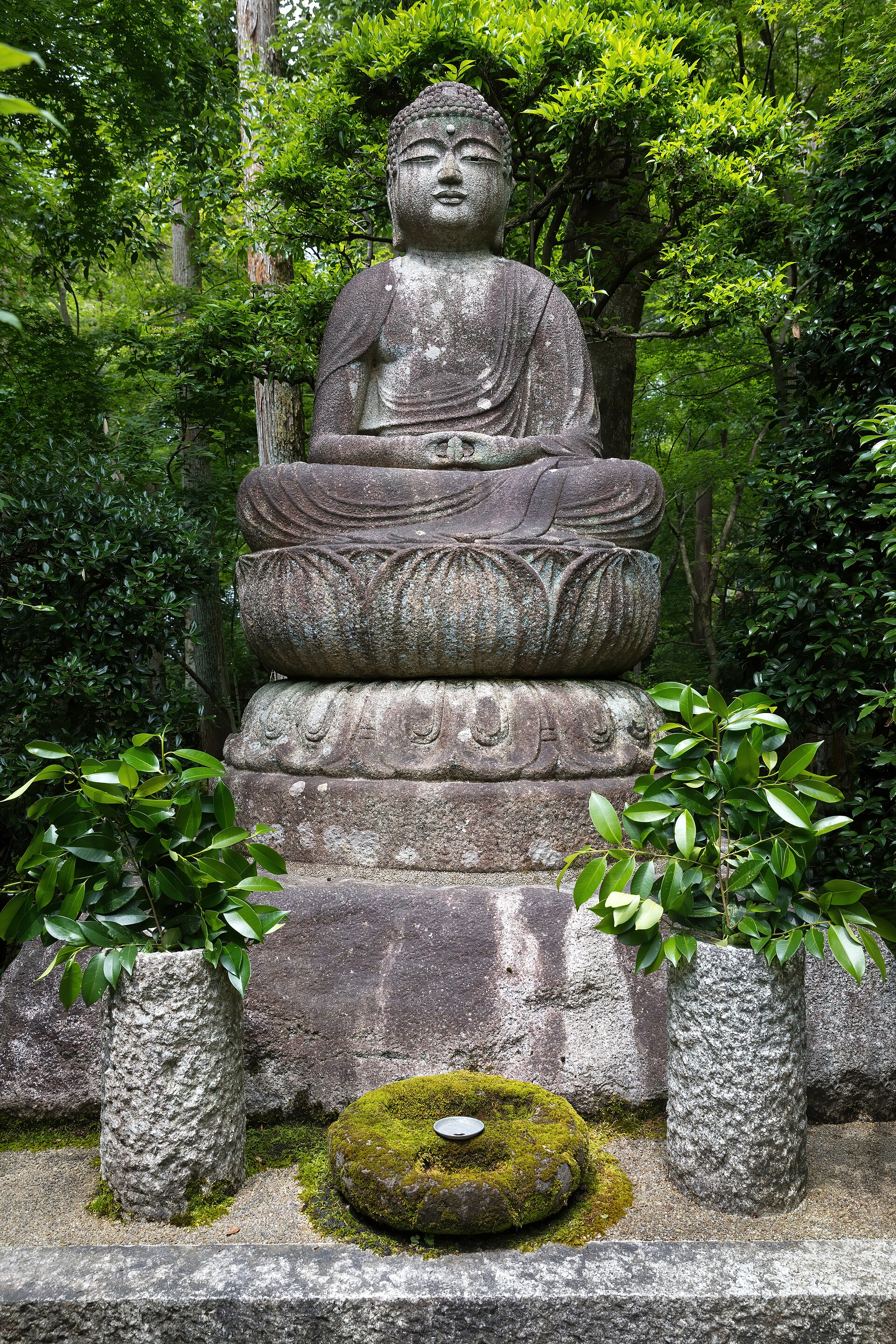
The Dhammapada’s word for what this page lists is not “discipline” but effort and restraint: the diligent person who does not fall where the negligent one does (chapter 2), and the person who trains themselves before correcting anyone else (chapter 12).
Chapter 12 is short and blunt about it: the self is the refuge, the self is what must be trained, and the person who is skilled at advising others while neglecting their own training is described without much sympathy. Verse 103, in the chapter on the thousands, makes the same point as a comparison — conquering yourself beats conquering a thousand in battle.
The verses
In book order. Open any verse for the Pali, the copy button and the card maker.
“Those who contemplate the beautiful, their faculties unrestrained, immoderate in eating, lazy, lacking energy: Māra strikes them down like the wind, a feeble tree.”
Subhānupassiṁ viharantaṁ, indriyesu asaṁvutaṁ; Bhojanamhi cāmattaññuṁ, kusītaṁ hīnavīriyaṁ; Taṁ ve pasahati māro, vāto rukkhaṁva dubbalaṁ.
“Those who contemplate the ugly, their faculties well-restrained, eating in moderation, faithful and energetic: Māra cannot strike them down, like the wind, a rocky mountain.”
Asubhānupassiṁ viharantaṁ, Indriyesu susaṁvutaṁ; Bhojanamhi ca mattaññuṁ, Saddhaṁ āraddhavīriyaṁ; Taṁ ve nappasahati māro, Vāto selaṁva pabbataṁ.
“One who, not free of stains themselves, would wear the robe stained in ocher, bereft of self-control and truth: they are not worthy of the ocher robe.”
Anikkasāvo kāsāvaṁ, yo vatthaṁ paridahissati; Apeto damasaccena, na so kāsāvamarahati.
“One who’s purged all their stains, steady in ethics, possessed of self-control and of truth, they are truly worthy of the ocher robe.”
Yo ca vantakasāvassa, sīlesu susamāhito; Upeto damasaccena, sa ve kāsāvamarahati.
“For the hard-working and mindful, pure of deed and attentive, restrained, living righteously, and diligent, their reputation only grows.”
Uṭṭhānavato satīmato, Sucikammassa nisammakārino; Saññatassa dhammajīvino, Appamattassa yasobhivaḍḍhati.
“By hard work and diligence, by restraint and by self-control, a smart person would build an island that the floods cannot overflow.”
Uṭṭhānenappamādena, saṁyamena damena ca; Dīpaṁ kayirātha medhāvī, yaṁ ogho nābhikīrati.
“Fools and simpletons devote themselves to negligence. But the wise protect diligence as their best treasure.”
Pamādamanuyuñjanti, bālā dummedhino janā; Appamādañca medhāvī, dhanaṁ seṭṭhaṁva rakkhati.
“Don’t devote yourself to negligence, or delight in erotic intimacy. For if you’re diligent and meditate, you’ll attain abundant happiness.”
Mā pamādamanuyuñjetha, mā kāmaratisanthavaṁ; Appamatto hi jhāyanto, pappoti vipulaṁ sukhaṁ.
“When the astute dispel negligence by means of diligence, ascending the palace of wisdom, sorrowless, they behold this generation of sorrow, as an attentive one on a mountain top beholds the fools below.”
Pamādaṁ appamādena, yadā nudati paṇḍito; Paññāpāsādamāruyha, asoko sokiniṁ pajaṁ; Pabbataṭṭhova bhūmaṭṭhe, dhīro bāle avekkhati.
“Maghavā became chief of the gods by means of diligence. People praise diligence, while negligence is always deplored.”
Appamādena maghavā, devānaṁ seṭṭhataṁ gato; Appamādaṁ pasaṁsanti, pamādo garahito sadā.
“A mendicant who loves diligence, seeing fear in negligence— advances like fire, burning up fetters big and small.”
Appamādarato bhikkhu, pamāde bhayadassi vā; Saṁyojanaṁ aṇuṁ thūlaṁ, ḍahaṁ aggīva gacchati.
“A mendicant who loves diligence, seeing fear in negligence— such a one can’t decline, and has drawn near to extinguishment.”
Appamādarato bhikkhu, pamāde bhayadassi vā; Abhabbo parihānāya, nibbānasseva santike. Appamādavaggo dutiyo.
“The mind travels far, wandering alone; incorporeal, it lies hidden in the heart. Those who will restrain the mind are freed from Māra’s bonds.”
Dūraṅgamaṁ ekacaraṁ, asarīraṁ guhāsayaṁ; Ye cittaṁ saṁyamissanti, mokkhanti mārabandhanā.
“A trainee bestirs this earth, and the Yama realm with its gods. A trainee sets out the well-taught word of truth, as an expert a flower.”
Sekho pathaviṁ vicessati, Yamalokañca imaṁ sadevakaṁ; Sekho dhammapadaṁ sudesitaṁ, Kusalo pupphamiva pacessati.
“Don’t find fault with others, with what they’ve done or left undone. You should only watch yourself, what you’ve done or left undone.”
Na paresaṁ vilomāni, na paresaṁ katākataṁ; Attanova avekkheyya, katāni akatāni ca.
“For those accomplished in ethics, meditating diligently, freed through the highest knowledge, Māra cannot find their path.”
Tesaṁ sampannasīlānaṁ, appamādavihārinaṁ; Sammadaññāvimuttānaṁ, māro maggaṁ na vindati.
“If while wandering you find no partner equal or better than yourself, then firmly resolve to wander alone— there’s no fellowship with fools.”
Carañce nādhigaccheyya, Seyyaṁ sadisamattano; Ekacariyaṁ daḷhaṁ kayirā, Natthi bāle sahāyatā.
“It is surely better to conquer oneself than all those other folk. When a person has tamed themselves, always living restrained,”
Attā have jitaṁ seyyo, yā cāyaṁ itarā pajā; Attadantassa posassa, niccaṁ saññatacārino.
“All tremble at the rod, all fear death. Treating others like oneself, neither kill nor incite to kill.”
Sabbe tasanti daṇḍassa, sabbe bhāyanti maccuno; Attānaṁ upamaṁ katvā, na haneyya na ghātaye.
“All tremble at the rod, all love life. Treating others like oneself, neither kill nor incite to kill.”
Sabbe tasanti daṇḍassa, sabbesaṁ jīvitaṁ piyaṁ; Attānaṁ upamaṁ katvā, na haneyya na ghātaye.
“If you still yourself like a broken gong, you reach extinguishment and know no conflict.”
Sace neresi attānaṁ, kaṁso upahato yathā; Esa pattosi nibbānaṁ, sārambho te na vijjati.
“Can a person constrained by conscience be found in the world? Who shies away from blame, like a fine horse from the whip?”
Hirīnisedho puriso, koci lokasmi vijjati; Yo niddaṁ apabodheti, asso bhadro kasāmiva.
“If one were to treat oneself as one instructs another, the well-tamed indeed would tame: for the self, it seems, is hard to tame.”
Attānañce tathā kayirā, yathāññamanusāsati; Sudanto vata dametha, attā hi kira duddamo.
“One is indeed the lord of oneself, for who else would be one’s lord? By means of a well-tamed self, one gains a lord that’s rare indeed.”
Attā hi attano nātho, ko hi nātho paro siyā; Attanā hi sudantena, nāthaṁ labhati dullabhaṁ.
“For the evil that is done by oneself, born and produced in oneself, grinds down a simpleton, as diamond grinds a lesser gem.”
Attanā hi kataṁ pāpaṁ, Attajaṁ attasambhavaṁ; Abhimatthati dummedhaṁ, Vajiraṁvasmamayaṁ maṇiṁ.
“It’s easy to do bad things harmful to oneself, but good things that are helpful are the hardest things to do.”
Sukarāni asādhūni, attano ahitāni ca; Yaṁ ve hitañca sādhuñca, taṁ ve paramadukkaraṁ.
“For it is by oneself that evil’s done, one is corrupted by oneself. It’s by oneself that evil’s not done, one is purified by oneself. Purity and impurity are personal matters, no one can purify another.”
Attanā hi kataṁ pāpaṁ, attanā saṅkilissati; Attanā akataṁ pāpaṁ, attanāva visujjhati; Suddhī asuddhi paccattaṁ, nāñño aññaṁ visodhaye.
“Never neglect what is good for yourself for the sake of another, however great. Knowing well what is good for yourself, be intent upon your heart’s goal.”
Attadatthaṁ paratthena, bahunāpi na hāpaye; Attadatthamabhiññāya, sadatthapasuto siyā. Attavaggo dvādasamo.
“Live by principle, with good conduct, don’t conduct yourself badly. For one of good conduct sleeps at ease, in this world and the next.”
Dhammaṁ care sucaritaṁ, na naṁ duccaritaṁ care; Dhammacārī sukhaṁ seti, asmiṁ loke paramhi ca.
“Not speaking ill nor doing harm; restraint in the monastic code; moderation in eating; staying in remote lodgings; commitment to the higher mind— this is the instruction of the Buddhas.”
Anūpavādo anūpaghāto, Pātimokkhe ca saṁvaro; Mattaññutā ca bhattasmiṁ, Pantañca sayanāsanaṁ; Adhicitte ca āyogo, Etaṁ buddhāna sāsanaṁ.
“Applying yourself where you ought not, neglecting what you should be doing, forgetting your goal, you cling to what you hold dear, jealous of those devoted to their heart’s goal.”
Ayoge yuñjamattānaṁ, yogasmiñca ayojayaṁ; Atthaṁ hitvā piyaggāhī, pihetattānuyoginaṁ.
“One accomplished in virtue and vision, firmly principled, and truthful, doing oneself what ought be done: that’s who the people love.”
Sīladassanasampannaṁ, dhammaṭṭhaṁ saccavedinaṁ; Attano kamma kubbānaṁ, taṁ jano kurute piyaṁ.
“Those harmless sages, always restrained in body, go to the state that does not pass, where there is no sorrow.”
Ahiṁsakā ye munayo, niccaṁ kāyena saṁvutā; Te yanti accutaṁ ṭhānaṁ, yattha gantvā na socare.
“Guard against ill-tempered deeds, be restrained in body. Giving up bad bodily conduct, conduct yourself well in body.”
Kāyappakopaṁ rakkheyya, kāyena saṁvuto siyā; Kāyaduccaritaṁ hitvā, kāyena sucaritaṁ care.
“Guard against ill-tempered words, be restrained in speech. Giving up bad verbal conduct, conduct yourself well in speech.”
Vacīpakopaṁ rakkheyya, vācāya saṁvuto siyā; Vacīduccaritaṁ hitvā, vācāya sucaritaṁ care.
“Guard against ill-tempered thoughts, be restrained in mind. Giving up bad mental conduct, conduct yourself well in mind.”
Manopakopaṁ rakkheyya, manasā saṁvuto siyā; Manoduccaritaṁ hitvā, manasā sucaritaṁ care.
“An attentive one is restrained in body restrained also in speech, in thought, too, they are restrained: they are restrained in every way.”
Kāyena saṁvutā dhīrā, atho vācāya saṁvutā; Manasā saṁvutā dhīrā, te ve suparisaṁvutā. Kodhavaggo sattarasamo.
“Make an island of yourself! Swiftly strive, learn to be wise! Purged of stains, flawless, you’ll go to the heavenly realm of the noble ones.”
So karohi dīpamattano, Khippaṁ vāyama paṇḍito bhava; Niddhantamalo anaṅgaṇo, Dibbaṁ ariyabhūmiṁ upehisi.
“Make an island of yourself! Swiftly strive, learn to be wise! Purged of stains, flawless, you’ll not come again to rebirth and old age.”
So karohi dīpamattano, Khippaṁ vāyama paṇḍito bhava; Niddhantamalo anaṅgaṇo, Na punaṁ jātijaraṁ upehisi.
“Know this, my man: they are unrestrained and wicked. Don’t let that greed and unrighteousness inflict pain on you for long.”
Evaṁ bho purisa jānāhi, pāpadhammā asaññatā; Mā taṁ lobho adhammo ca, ciraṁ dukkhāya randhayuṁ.
“One who is truthful and principled, harmless, restrained, and self-controlled, attentive, purged of stains, is said to be a senior.”
Yamhi saccañca dhammo ca, ahiṁsā saṁyamo damo; Sa ve vantamalo dhīro, “thero” iti pavuccati.
“Guarded in speech, restrained in mind, doing no unskillful bodily deed. Purify these three ways of performing deeds, and win the path known to seers.”
Vācānurakkhī manasā susaṁvuto, Kāyena ca nākusalaṁ kayirā; Ete tayo kammapathe visodhaye, Ārādhaye maggamisippaveditaṁ.
“From meditation springs wisdom, without meditation, wisdom ends. Knowing these two paths— of progress and decline— you should conduct yourself so that wisdom grows.”
Yogā ve jāyatī bhūri, ayogā bhūrisaṅkhayo; Etaṁ dvedhāpathaṁ ñatvā, bhavāya vibhavāya ca; Tathāttānaṁ niveseyya, yathā bhūri pavaḍḍhati.
“Cut out affection for oneself, like plucking an autumn lotus. Foster only the path to peace, the extinguishment the Holy One taught.”
Ucchinda sinehamattano, Kumudaṁ sāradikaṁva pāṇinā; Santimaggameva brūhaya, Nibbānaṁ sugatena desitaṁ.
Showing 45 of 59. The rest are on the full text page.
Where these verses sit
1. Pairs2. Diligence3. The Mind4. Flowers5. The Fool8. The Thousands10. The Rod12. The Self13. The World14. The Buddhas16. The Beloved17. Anger18. Stains19. The Just20. The Path
Most of these verses come from chapter 1, which the book arranges as a short run on one subject rather than as isolated lines. The opening chapter works in pairs: twenty verses arranged as ten twin verses, each pair holding the same situation in two forms and repeating the same refrain. It opens with the line that sets up the whole book — intention is the leader of things — and then runs the contrast through blame and forgiveness, hatred and its ending, and the difference between a mind that is guarded and one that is not.
Questions
Which chapter of the Dhammapada is about effort?
Chapter 2, Appamādavagga (verses 21–32), on heedfulness and diligence. Appamāda is usually translated as heedfulness or non-negligence rather than effort.
What does the Dhammapada say about self-discipline?
That it is the one thing you cannot outsource. Chapter 12 (157–166) makes the self the refuge and the thing to be trained, and warns against the person who corrects others instead.
Is “conquer yourself and you will be free” in the Dhammapada?
Verse 103 says that conquering yourself is better than conquering a thousand in battle, but it does not add the freedom clause. The shorter phrasing that circulates online is a paraphrase.
Read next
Every line on this page is a verse of the Dhammapada, numbered and unaltered. English translation by Bhikkhu Sujato, released CC0 via SuttaCentral; the Pali is the Mahāsaṅgīti edition held there. See sources for the full licence trail.