“Today you’re like a withered leaf, Yama’s men await you. You stand at the departure gates, yet you have no supplies for the road.”
Paṇḍupalāsova dānisi, Yamapurisāpi ca te upaṭṭhitā; Uyyogamukhe ca tiṭṭhasi, Pātheyyampi ca te na vijjati.
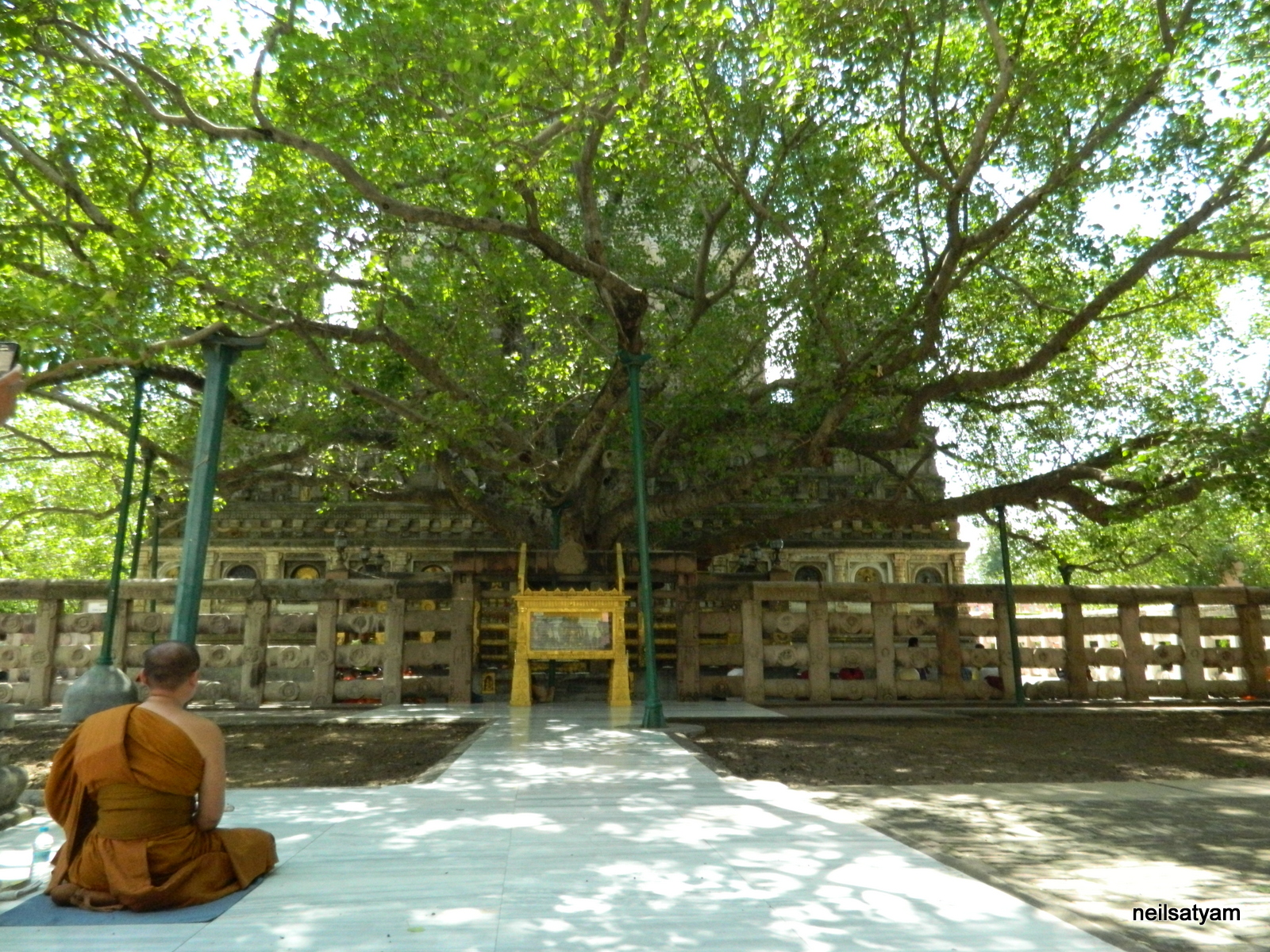
Chapter 18: Stains
Malavagga
Verses 235–255 · 21 verses · English by Bhikkhu Sujato (CC0)
Twenty-one verses on stains — the defilements as dirt on a surface that can be cleaned. The chapter lists the specific stains it means, including hardness, carelessness, deceit and jealousy, and it treats purity not as innocence but as the result of scrubbing.
“Make an island of yourself! Swiftly strive, learn to be wise! Purged of stains, flawless, you’ll go to the heavenly realm of the noble ones.”
So karohi dīpamattano, Khippaṁ vāyama paṇḍito bhava; Niddhantamalo anaṅgaṇo, Dibbaṁ ariyabhūmiṁ upehisi.
“You’ve journeyed the stages of life, and now you set out to meet Yama. Along the way there’s nowhere to stay, yet you have no supplies for the road.”
Upanītavayo ca dānisi, Sampayātosi yamassa santikaṁ; Vāso te natthi antarā, Pātheyyampi ca te na vijjati.
“Make an island of yourself! Swiftly strive, learn to be wise! Purged of stains, flawless, you’ll not come again to rebirth and old age.”
So karohi dīpamattano, Khippaṁ vāyama paṇḍito bhava; Niddhantamalo anaṅgaṇo, Na punaṁ jātijaraṁ upehisi.
“A smart person would purge their own stains gradually, bit by bit, moment by moment, like a smith smelting silver.”
Anupubbena medhāvī, thokaṁ thokaṁ khaṇe khaṇe; Kammāro rajatasseva, niddhame malamattano.
“It is the rust born on the iron that eats away the place it arose. And so it is their own deeds that lead the overly-ascetic to a bad place.”
Ayasāva malaṁ samuṭṭhitaṁ, Tatuṭṭhāya tameva khādati; Evaṁ atidhonacārinaṁ, Sāni kammāni nayanti duggatiṁ.
“Not rehearsing is the stain of hymns. The stain of houses is neglect. Laziness is the stain of beauty. A guard’s stain is negligence.”
Asajjhāyamalā mantā, anuṭṭhānamalā gharā; Malaṁ vaṇṇassa kosajjaṁ, pamādo rakkhato malaṁ.
“Misconduct is a woman’s stain. A giver’s stain is stinginess. Bad qualities are a stain in this world and the next.”
Malitthiyā duccaritaṁ, maccheraṁ dadato malaṁ; Malā ve pāpakā dhammā, asmiṁ loke paramhi ca.
“But a worse stain than these is ignorance, the worst stain of all. Having given up that stain, be without stains, mendicants!”
Tato malā malataraṁ, avijjā paramaṁ malaṁ; Etaṁ malaṁ pahantvāna, nimmalā hotha bhikkhavo.
“Life is easy for the shameless. With all the rude courage of a crow, they live pushy, rude, and corrupt.”
Sujīvaṁ ahirikena, kākasūrena dhaṁsinā; Pakkhandinā pagabbhena, saṅkiliṭṭhena jīvitaṁ.
“Life is hard for the conscientious, always seeking purity, neither clinging nor rude, pure of livelihood and discerning.”
Hirīmatā ca dujjīvaṁ, niccaṁ sucigavesinā; Alīnenāppagabbhena, suddhājīvena passatā.
“Take anyone in this world who kills living creatures, speaks falsely, steals, commits adultery,”
Yo pāṇamatipāteti, musāvādañca bhāsati; Loke adinnamādiyati, paradārañca gacchati.
“and indulges in drinking beer and wine. Right here they dig up the root of their own self.”
Surāmerayapānañca, yo naro anuyuñjati; Idheva meso lokasmiṁ, mūlaṁ khaṇati attano.
“Know this, my man: they are unrestrained and wicked. Don’t let that greed and unrighteousness inflict pain on you for long.”
Evaṁ bho purisa jānāhi, pāpadhammā asaññatā; Mā taṁ lobho adhammo ca, ciraṁ dukkhāya randhayuṁ.
“The people give according to their faith, according to their confidence. If you get upset over that, over others’ food and drink, you’ll not, by day or by night, become immersed in samādhi.”
Dadāti ve yathāsaddhaṁ, yathāpasādanaṁ jano; Tattha yo ca maṅku bhavati, paresaṁ pānabhojane; Na so divā vā rattiṁ vā, samādhimadhigacchati.
“Those who have cut that out, dug it up at the root, eradicated it, they will, by day or by night, become immersed in samādhi.”
Yassa cetaṁ samucchinnaṁ, mūlaghaccaṁ samūhataṁ; Sa ve divā vā rattiṁ vā, samādhimadhigacchati.
“There is no fire like greed, no crime like hate, no net like delusion, no river like craving.”
Natthi rāgasamo aggi, natthi dosasamo gaho; Natthi mohasamaṁ jālaṁ, natthi taṇhāsamā nadī.
“It’s easy to see the faults of others, hard to see one’s own. For the faults of others are tossed high like hay, while one’s own are hidden, as a cheat hides a bad hand.”
Sudassaṁ vajjamaññesaṁ, attano pana duddasaṁ; Paresaṁ hi so vajjāni, opunāti yathā bhusaṁ; Attano pana chādeti, kaliṁva kitavā saṭho.
“When you look for the flaws of others, always finding fault, your defilements only grow, you’re far from ending defilements.”
Paravajjānupassissa, niccaṁ ujjhānasaññino; Āsavā tassa vaḍḍhanti, ārā so āsavakkhayā.
“In the atmosphere there is no track, there’s no true ascetic outside here. People enjoy proliferation, the Realized Ones are free of proliferation.”
Ākāseva padaṁ natthi, samaṇo natthi bāhire; Papañcābhiratā pajā, nippapañcā tathāgatā.
“In the atmosphere there is no track, there’s no true ascetic outside here. No conditions last forever, the Awakened Ones are not shaken.”
Ākāseva padaṁ natthi, samaṇo natthi bāhire; Saṅkhārā sassatā natthi, natthi buddhānamiñjitaṁ. Malavaggo aṭṭhārasamo.