“One who, not free of stains themselves, would wear the robe stained in ocher, bereft of self-control and truth: they are not worthy of the ocher robe.”
Anikkasāvo kāsāvaṁ, yo vatthaṁ paridahissati; Apeto damasaccena, na so kāsāvamarahati.
Buddha Quotes on Truth, from the Dhammapada
14 verses of 423 · English by Bhikkhu Sujato (CC0) · Pali alongside
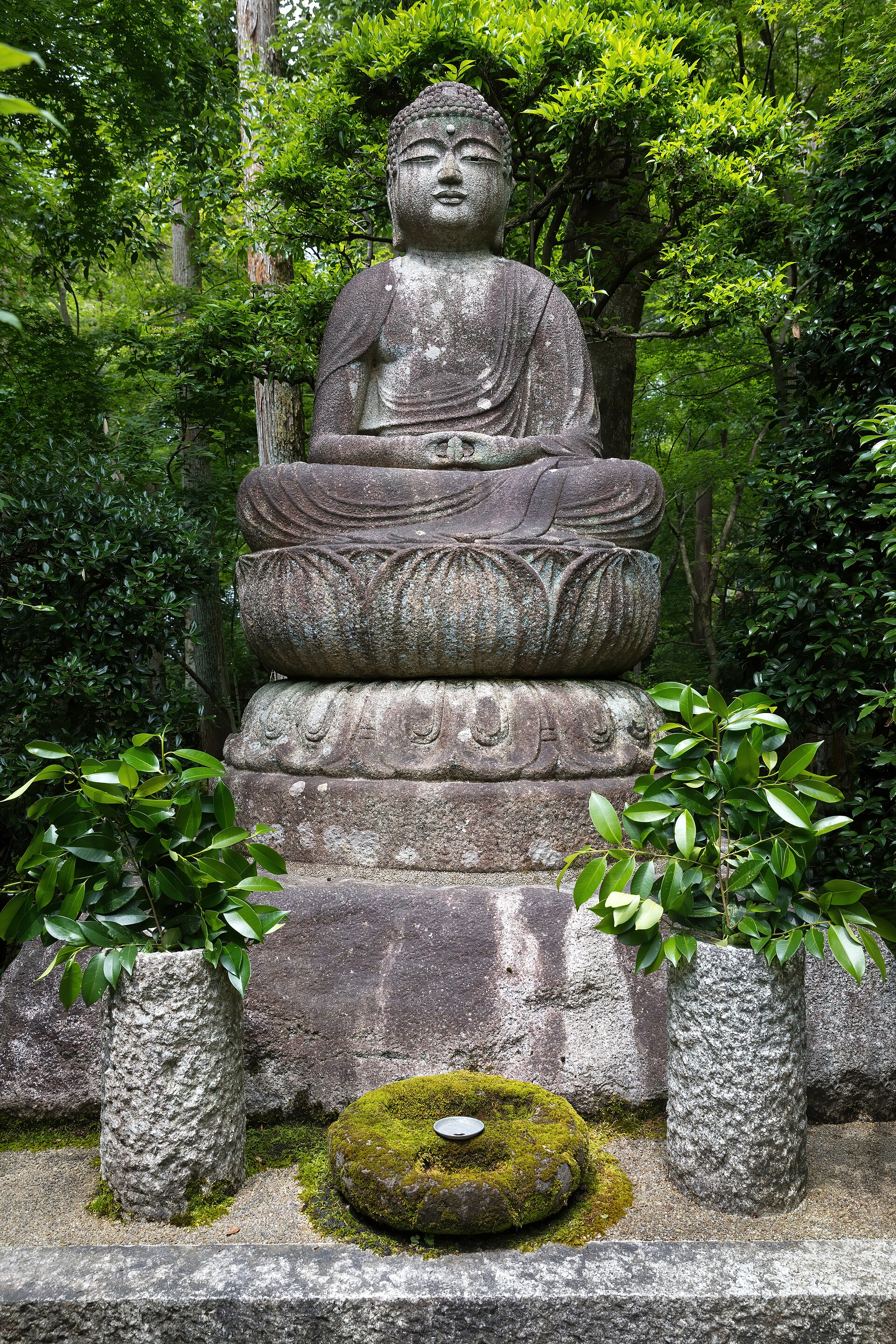
The Dhammapada provides specific guidance on the nature of truth and the character of those who follow it. Verse 10 describes a person who is "possessed of self-control and of truth" as being truly worthy. This contrasts with verse 9, which warns against wearing the robes while being "bereft of self-control" and truth. Authenticity in practice requires aligning one's internal state with the external signs of a seeker, ensuring that ethics and truthfulness remain central to the spiritual path.
Truth is also linked to the realization of the four noble truths, as seen in verse 190. This verse explains that taking refuge in the Buddha, his teaching, and the Saṅgha allows one to see these fundamental truths with right wisdom. Furthermore, verse 217 highlights that a person who is "firmly principled, and truthful" is one the people love. These verses emphasize that truth is not merely an abstract concept but a lived experience found through virtue, vision, and doing what ought to be done.
The verses
In book order. Open any verse for the Pali, the copy button and the card maker.
“One who’s purged all their stains, steady in ethics, possessed of self-control and of truth, they are truly worthy of the ocher robe.”
Yo ca vantakasāvassa, sīlesu susamāhito; Upeto damasaccena, sa ve kāsāvamarahati.
“Who bestirs this earth, and the Yama realm with its gods? Who sets out the well-taught word of truth, as an expert a flower?”
Ko imaṁ pathaviṁ vicessati, Yamalokañca imaṁ sadevakaṁ; Ko dhammapadaṁ sudesitaṁ, Kusalo pupphamiva pacessati.
“A trainee bestirs this earth, and the Yama realm with its gods. A trainee sets out the well-taught word of truth, as an expert a flower.”
Sekho pathaviṁ vicessati, Yamalokañca imaṁ sadevakaṁ; Sekho dhammapadaṁ sudesitaṁ, Kusalo pupphamiva pacessati.
“Fancy chariots of kings wear out, and even this body gets old. But the truth of the good never gets old— so the good proclaim to the good.”
Jīranti ve rājarathā sucittā, Atho sarīrampi jaraṁ upeti; Satañca dhammo na jaraṁ upeti, Santo have sabbhi pavedayanti.
“One gone for refuge to the Buddha, to his teaching and to the Saṅgha, sees the four noble truths with right understanding:”
Yo ca buddhañca dhammañca, saṅghañca saraṇaṁ gato; Cattāri ariyasaccāni, sammappaññāya passati.
“Having drunk the nectar of seclusion and the nectar of peace— free of stress, free of evil, drink the joyous nectar of truth.”
Pavivekarasaṁ pitvā, rasaṁ upasamassa ca; Niddaro hoti nippāpo, dhammapītirasaṁ pivaṁ.
“One accomplished in virtue and vision, firmly principled, and truthful, doing oneself what ought be done: that’s who the people love.”
Sīladassanasampannaṁ, dhammaṭṭhaṁ saccavedinaṁ; Attano kamma kubbānaṁ, taṁ jano kurute piyaṁ.
“Defeat anger with kindness, villainy with virtue, stinginess with giving, and lies with truth.”
Akkodhena jine kodhaṁ, asādhuṁ sādhunā jine; Jine kadariyaṁ dānena, saccenālikavādinaṁ.
“Speak the truth, do not be angry, and give when asked, if only a little. By these three means, you may enter the presence of the gods.”
Saccaṁ bhaṇe na kujjheyya, dajjā appampi yācito; Etehi tīhi ṭhānehi, gacche devāna santike.
“Take anyone in this world who kills living creatures, speaks falsely, steals, commits adultery,”
Yo pāṇamatipāteti, musāvādañca bhāsati; Loke adinnamādiyati, paradārañca gacchati.
“One who is truthful and principled, harmless, restrained, and self-controlled, attentive, purged of stains, is said to be a senior.”
Yamhi saccañca dhammo ca, ahiṁsā saṁyamo damo; Sa ve vantamalo dhīro, “thero” iti pavuccati.
“Of paths, the eightfold is the best; of truths, the four statements; dispassion is the best of things, and the Clear-eyed One is the best of humans.”
Maggānaṭṭhaṅgiko seṭṭho, saccānaṁ caturo padā; Virāgo seṭṭho dhammānaṁ, dvipadānañca cakkhumā.
“Not by matted hair or family, or birth is one a brahmin. Those who are truthful and principled: they are pure, they are brahmins.”
Na jaṭāhi na gottena, na jaccā hoti brāhmaṇo; Yamhi saccañca dhammo ca, so sucī so ca brāhmaṇo.
Where these verses sit
1. Pairs4. Flowers11. Old Age14. The Buddhas15. Happiness16. The Beloved17. Anger18. Stains19. The Just20. The Path26. Brahmins
Most of these verses come from chapter 1, which the book arranges as a short run on one subject rather than as isolated lines. The opening chapter works in pairs: twenty verses arranged as ten twin verses, each pair holding the same situation in two forms and repeating the same refrain. It opens with the line that sets up the whole book — intention is the leader of things — and then runs the contrast through blame and forgiveness, hatred and its ending, and the difference between a mind that is guarded and one that is not.
Questions
Are these authentic Dhammapada verses?
Yes. Every verse on this site includes its specific verse number from the Dhammapada. We use the public domain translation by Bhikkhu Sujato from SuttaCentral. This ensures that the words you read are rooted in the Pali canon rather than modern inventions. The site provides these tools for free, without any advertising or account requirements, to support your daily practice.
What is the most famous truth verse on this page?
Verse 10 is a significant reference for truth. It describes a person who has purged their stains and remains steady in ethics. By being "possessed of self-control and of truth," a practitioner becomes truly worthy of their spiritual role. This verse emphasizes that truthfulness is inseparable from self-discipline and moral integrity, serving as a core requirement for anyone following the Dhamma.
Does the Dhammapada connect truth to the eightfold path?
Yes. Verse 190 explicitly mentions that one who goes for refuge to the Triple Gem sees the four noble truths with right understanding. While the Dhammapada is a short book of poetry and does not provide long technical explanations, it consistently points toward these truths and the path as the foundation for ending suffering and finding the nectar of peace mentioned in verse 205.
Why do some popular 'Buddha quotes on truth' not appear here?
Many quotes attributed to the Buddha online have no source in the Pali canon. This site only publishes verses that exist in the complete Dhammapada. If a popular saying about truth is missing, it is likely because the verse is not part of this specific scripture. We maintain strict honesty by never inventing quotations or including unsourced material on our pages.
Read next
Every line on this page is a verse of the Dhammapada, numbered and unaltered. English translation by Bhikkhu Sujato, released CC0 via SuttaCentral; the Pali is the Mahāsaṅgīti edition held there. See sources for the full licence trail.