“Intention is the leader of things; intention is first, they’re made by intention. If with pure intent you speak or act, happiness follows you like a shadow that never leaves.”
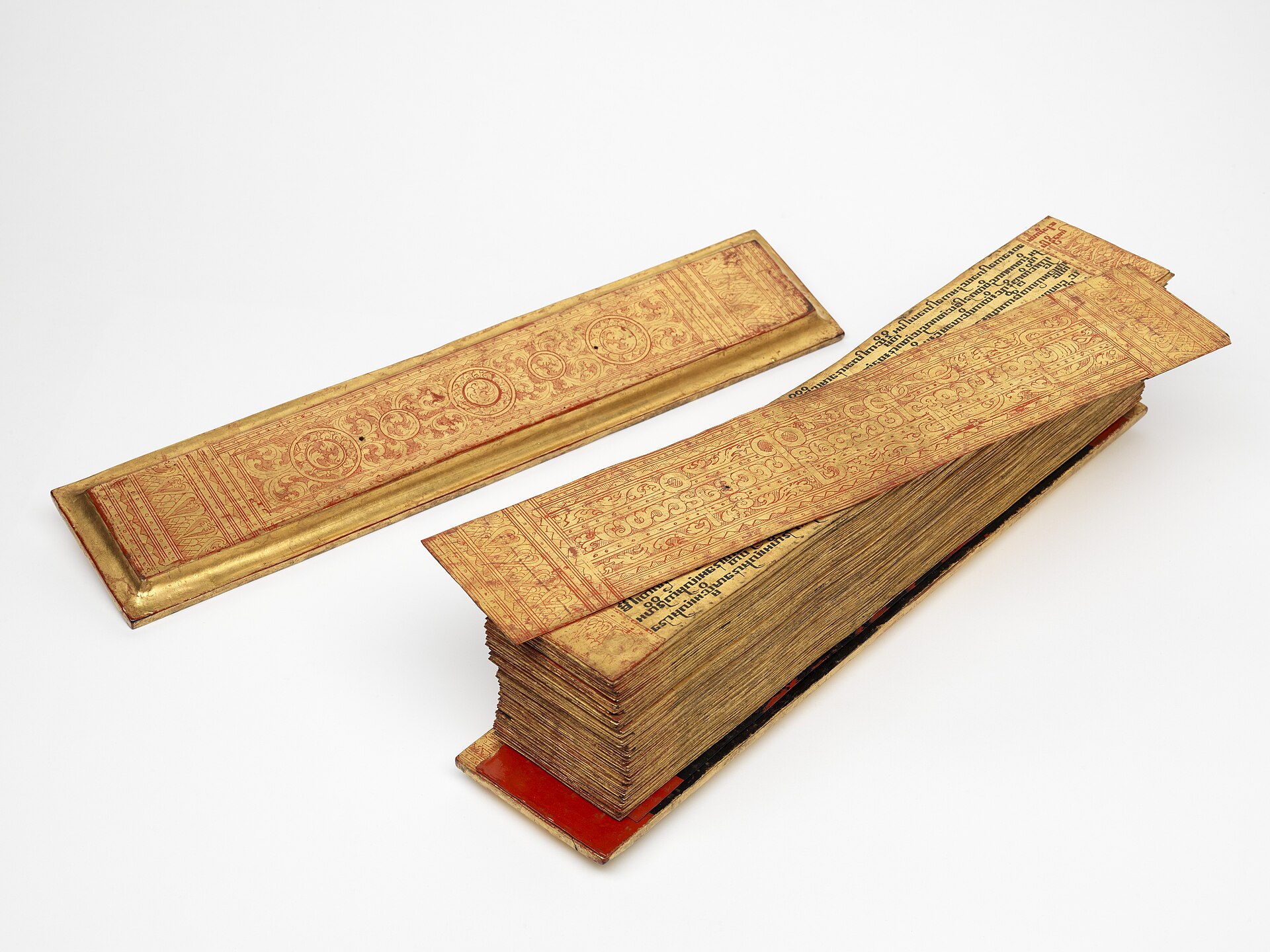
Dhammapada Verses on Purity
Every Dhammapada verse on purity and stains — the dust on the mind, and polishing it off.
37 of 423 verses · English by Bhikkhu Sujato (CC0)
“One who, not free of stains themselves, would wear the robe stained in ocher, bereft of self-control and truth: they are not worthy of the ocher robe.”
“One who’s purged all their stains, steady in ethics, possessed of self-control and of truth, they are truly worthy of the ocher robe.”
“Here they rejoice, hereafter they rejoice, one who does good rejoices in both places. They rejoice and celebrate, seeing their own pure deeds.”
“For the hard-working and mindful, pure of deed and attentive, restrained, living righteously, and diligent, their reputation only grows.”
“And those whose minds are rightly developed in the awakening factors; who, letting go of attachments, delight in not grasping: with defilements ended, brilliant, they are quenched in this world.”
“One whose defilements have ended; who’s not attached to food; whose domain is the liberation of the signless and the empty: their track is hard to trace, like birds in the sky.”
“Whose faculties have become serene, like horses tamed by a charioteer, who has abandoned conceit and defilements; the unaffected one is envied by even the gods.”
“Whoever wrongs a man who has done no wrong, a pure man who has not a blemish, the evil backfires on the fool, like fine dust thrown upwind.”
“Some are born in a womb; evildoers go to hell; the virtuous go to heaven; the undefiled are fully extinguished.”
“Not nudity, nor matted hair, nor mud, nor fasting, nor lying on bare ground, nor wearing dust and dirt, or squatting on the heels, will cleanse a mortal not free of doubt.”
“For it is by oneself that evil’s done, one is corrupted by oneself. It’s by oneself that evil’s not done, one is purified by oneself. Purity and impurity are personal matters, no one can purify another.”
“Not to do any evil; to embrace the good; to purify one’s mind: this is the instruction of the Buddhas.”
“Always wakeful, practicing night and day, focused only on extinguishment, their defilements come to an end.”
“Make an island of yourself! Swiftly strive, learn to be wise! Purged of stains, flawless, you’ll go to the heavenly realm of the noble ones.”
“Make an island of yourself! Swiftly strive, learn to be wise! Purged of stains, flawless, you’ll not come again to rebirth and old age.”
“A smart person would purge their own stains gradually, bit by bit, moment by moment, like a smith smelting silver.”
“Not rehearsing is the stain of hymns. The stain of houses is neglect. Laziness is the stain of beauty. A guard’s stain is negligence.”
“Misconduct is a woman’s stain. A giver’s stain is stinginess. Bad qualities are a stain in this world and the next.”
“But a worse stain than these is ignorance, the worst stain of all. Having given up that stain, be without stains, mendicants!”
“Life is hard for the conscientious, always seeking purity, neither clinging nor rude, pure of livelihood and discerning.”
“When you look for the flaws of others, always finding fault, your defilements only grow, you’re far from ending defilements.”
“One who is truthful and principled, harmless, restrained, and self-controlled, attentive, purged of stains, is said to be a senior.”
“do I experience the bliss of renunciation not frequented by ordinary people. A mendicant cannot rest confident without attaining the end of defilements.”
“<em>This</em> is the path, there is no other for the purification of vision. You all must practice this, it is the way to baffle Māra.”
“Guarded in speech, restrained in mind, doing no unskillful bodily deed. Purify these three ways of performing deeds, and win the path known to seers.”
“They dump what should be done, and do what should not be done. For the insolent and the negligent, their defilements only grow.”
“Those that have properly undertaken constant mindfulness of the body, don’t cultivate what should not be done, but always do what should be done. Mindful and aware, their defilements come to an end.”
“If one is to do what should be done, one should staunchly strive. For the life gone forth when laxly led just stirs up dust all the more.”
“If a mendicant is poor in offerings, the well-to-do ought not look down on them. For the gods indeed praise them, who are tireless and pure of livelihood.”
“Mix with spiritual friends, who are tireless and pure of livelihood. Share what you have with others, being skillful in your conduct. And when you’re full of joy, you’ll make an end to suffering.”
“Absorbed, rid of hopes, their task completed, without defilements, arrived at the highest goal: that’s who I declare a brahmin.”
“A brahmin’s so-called <j>since they’ve banished evil, an ascetic’s so-called <j>since they live a serene life. One who has renounced all stains is said to be a “renunciant”.”
“Not by matted hair or family, or birth is one a brahmin. Those who are truthful and principled: they are pure, they are brahmins.”
“They’ve escaped the chain of both good and bad deeds; sorrowless, stainless, pure: that’s who I declare a brahmin.”
“Pure as the spotless moon, clear and unclouded, they’ve ended relish for rebirth: that’s who I declare a brahmin.”
“Gods, centaurs, and humans don’t know their destiny; the perfected ones with defilements ended: that’s who I declare a brahmin.”