“Heedful among the heedless, wide awake while others sleep— a true sage leaves them behind, like a swift horse passing a feeble.”
Appamatto pamattesu, suttesu bahujāgaro; Abalassaṁva sīghasso, hitvā yāti sumedhaso.
Buddha Quotes on Enlightenment, from the Dhammapada
32 verses of 423 · English by Bhikkhu Sujato (CC0) · Pali alongside
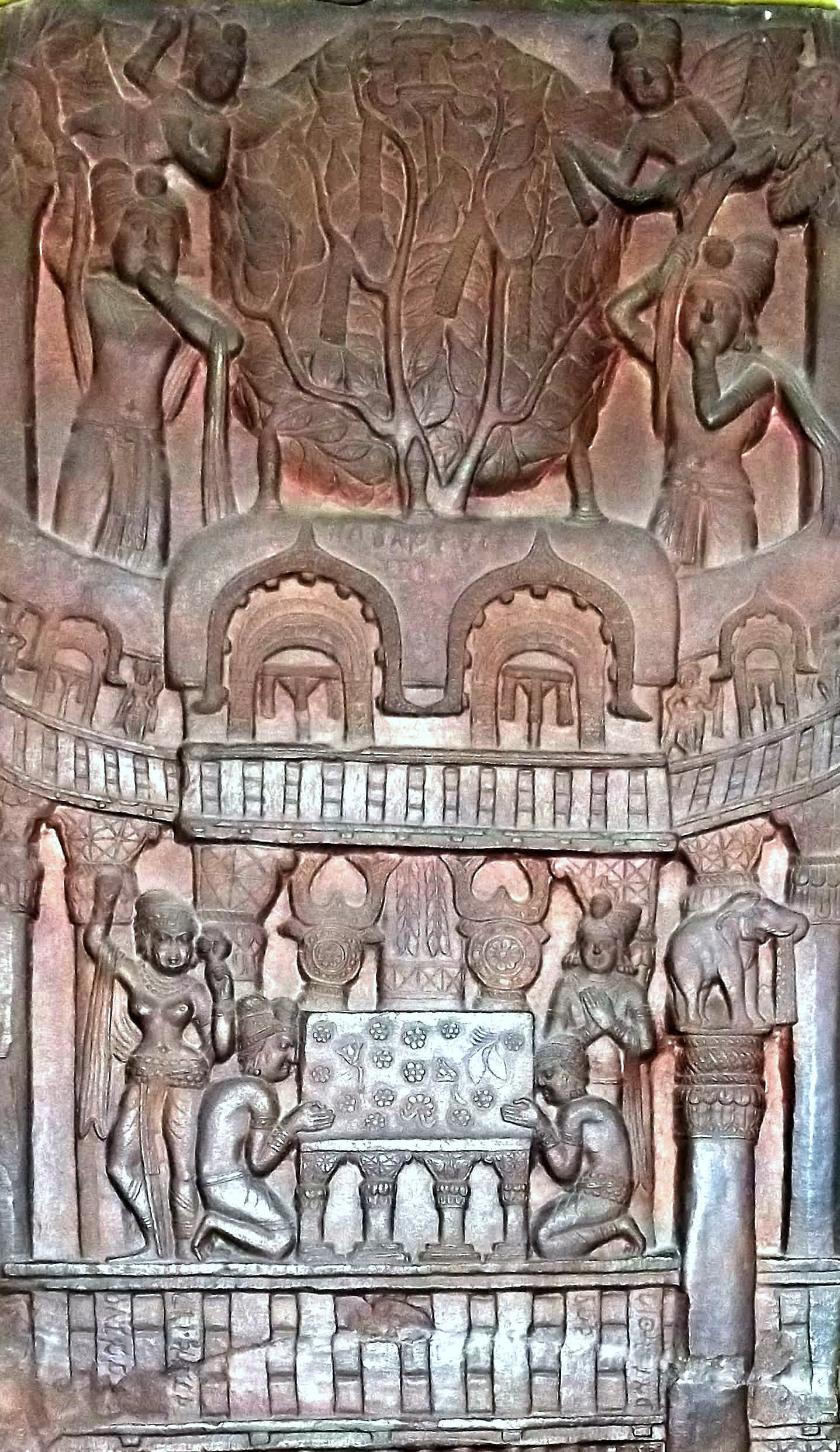
The Dhammapada describes enlightenment as a state of being wide awake while others sleep. Verse 29 explains that a sage leaves the heedless behind like a swift horse. This awakening requires specific mental development. Verse 89 highlights those whose minds are rightly developed in the awakening factors and who delight in letting go of attachments. Rather than a mystical status, it is presented as a practical result of consistent mindfulness and the purification of one's own mind.
Reaching this state involves recognizing the difference between profit and the path to quenching, as noted in verse 75. The Buddha is described in verse 179 as one whose victory is unrivaled and cannot be undone. Verse 181 says the Buddhas are ever mindful and intent on absorption. For a disciple, the instruction in verse 183 is simple: do no evil, embrace the good, and purify the mind. This process leads to the peace of renunciation.
The verses
In book order. Open any verse for the Pali, the copy button and the card maker.
“A bee takes the nectar and moves on, doing no damage to the flower’s beauty and fragrance; and that’s how a sage should walk in the village.”
Yathāpi bhamaro pupphaṁ, vaṇṇagandhamaheṭhayaṁ; Paleti rasamādāya, evaṁ gāme munī care.
“So too, among those thought of as trash, a disciple of the perfect Buddha outshines with their wisdom the blind ordinary folk.”
Evaṁ saṅkārabhūtesu, andhabhūte puthujjane; Atirocati paññāya, sammāsambuddhasāvako. Pupphavaggo catuttho.
“For the means to profit and the path to quenching are two quite different things. A mendicant disciple of the Buddha, understanding what this really means, would never delight in honors, but rather would foster seclusion.”
Aññā hi lābhūpanisā, aññā nibbānagāminī; Evametaṁ abhiññāya, bhikkhu buddhassa sāvako; Sakkāraṁ nābhinandeyya, vivekamanubrūhaye. Bālavaggo pañcamo.
“And those whose minds are rightly developed in the awakening factors; who, letting go of attachments, delight in not grasping: with defilements ended, brilliant, they are quenched in this world.”
Yesaṁ sambodhiyaṅgesu, sammā cittaṁ subhāvitaṁ; Ādānapaṭinissagge, anupādāya ye ratā; Khīṇāsavā jutimanto, te loke parinibbutā. Paṇḍitavaggo chaṭṭho.
“Swans fly by the sun’s path, psychic sages fly through space. The attentive leave the world, having vanquished Māra with his legions.”
Haṁsādiccapathe yanti, ākāse yanti iddhiyā; Nīyanti dhīrā lokamhā, jetvā māraṁ savāhiniṁ.
“He whose victory may not be undone, a victory unrivaled in all the world; by what track would you trace that Buddha, who leaves no track in his infinite range?”
Yassa jitaṁ nāvajīyati, Jitaṁ yassa noyāti koci loke; Taṁ buddhamanantagocaraṁ, Apadaṁ kena padena nessatha.
“Of craving, the weaver, the clinger, he has none: so where can he be traced? By what track would you trace that Buddha, who leaves no track in his infinite range?”
Yassa jālinī visattikā, Taṇhā natthi kuhiñci netave; Taṁ buddhamanantagocaraṁ, Apadaṁ kena padena nessatha.
“The attentive intent on absorption, who love the peace of renunciation, the Buddhas, ever mindful, are envied by even the gods.”
Ye jhānapasutā dhīrā, nekkhammūpasame ratā; Devāpi tesaṁ pihayanti, sambuddhānaṁ satīmataṁ.
“It’s hard to gain a human birth; the life of mortals is hard; it’s hard to hear the true teaching; the arising of Buddhas is hard.”
Kiccho manussapaṭilābho, kicchaṁ maccāna jīvitaṁ; Kicchaṁ saddhammassavanaṁ, kiccho buddhānamuppādo.
“Not to do any evil; to embrace the good; to purify one’s mind: this is the instruction of the Buddhas.”
Sabbapāpassa akaraṇaṁ, kusalassa upasampadā; Sacittapariyodapanaṁ, etaṁ buddhāna sāsanaṁ.
“Patient acceptance is the ultimate fervor. Extinguishment is the ultimate, say the Buddhas. No true renunciate injures another, nor does an ascetic hurt another.”
Khantī paramaṁ tapo titikkhā, Nibbānaṁ paramaṁ vadanti buddhā; Na hi pabbajito parūpaghātī, Na samaṇo hoti paraṁ viheṭhayanto.
“Not speaking ill nor doing harm; restraint in the monastic code; moderation in eating; staying in remote lodgings; commitment to the higher mind— this is the instruction of the Buddhas.”
Anūpavādo anūpaghāto, Pātimokkhe ca saṁvaro; Mattaññutā ca bhattasmiṁ, Pantañca sayanāsanaṁ; Adhicitte ca āyogo, Etaṁ buddhāna sāsanaṁ.
“Thus they find no delight even in celestial pleasures. A disciple of the fully awakened Buddha delights in the ending of craving.”
Api dibbesu kāmesu, ratiṁ so nādhigacchati; Taṇhakkhayarato hoti, sammāsambuddhasāvako.
“One gone for refuge to the Buddha, to his teaching and to the Saṅgha, sees the four noble truths with right understanding:”
Yo ca buddhañca dhammañca, saṅghañca saraṇaṁ gato; Cattāri ariyasaccāni, sammappaññāya passati.
“Happy, the arising of Buddhas! Happy, the teaching of Dhamma! Happy is the harmony of the Saṅgha, and the striving of the harmonious is happy.”
Sukho buddhānamuppādo, sukhā saddhammadesanā; Sukhā saṅghassa sāmaggī, samaggānaṁ tapo sukho.
“When a person venerates the worthy— the Buddha or his disciple, who have transcended proliferation, and have left behind grief and lamentation,”
Pūjārahe pūjayato, buddhe yadi va sāvake; Papañcasamatikkante, tiṇṇasokapariddave.
“Those harmless sages, always restrained in body, go to the state that does not pass, where there is no sorrow.”
Ahiṁsakā ye munayo, niccaṁ kāyena saṁvutā; Te yanti accutaṁ ṭhānaṁ, yattha gantvā na socare.
“If, after watching them day in day out, discerning people praise that sage of impeccable conduct, endowed with ethics and wisdom;”
Yañce viññū pasaṁsanti, anuvicca suve suve; Acchiddavuttiṁ medhāviṁ, paññāsīlasamāhitaṁ.
“In the atmosphere there is no track, there’s no true ascetic outside here. No conditions last forever, the Awakened Ones are not shaken.”
Ākāseva padaṁ natthi, samaṇo natthi bāhire; Saṅkhārā sassatā natthi, natthi buddhānamiñjitaṁ. Malavaggo aṭṭhārasamo.
“You don’t become a sage by being sagelike, while still confused and ignorant. The astute one who holds the scales, taking only the best,”
Na monena munī hoti, mūḷharūpo aviddasu; Yo ca tulaṁva paggayha, varamādāya paṇḍito.
“and shunning the bad— that is a sage, <j>and that is how one becomes a sage. One who sagely weighs both in the world, is thereby said to be a sage.”
Pāpāni parivajjeti, sa munī tena so muni; Yo munāti ubho loke, “muni” tena pavuccati.
“The disciples of Gotama always wake up refreshed, who day and night constantly recollect the Buddha.”
Suppabuddhaṁ pabujjhanti, sadā gotamasāvakā; Yesaṁ divā ca ratto ca, niccaṁ buddhagatā sati.
“A mendicant who meditates on love, devoted to the Buddha’s teaching, would realize the peaceful state, the blissful stilling of conditions.”
Mettāvihārī yo bhikkhu, pasanno buddhasāsane; Adhigacche padaṁ santaṁ, saṅkhārūpasamaṁ sukhaṁ.
“A monk full of joy trusting in the Buddha’s teaching, would realize the peaceful state, the blissful stilling of conditions.”
Pāmojjabahulo bhikkhu, pasanno buddhasāsane; Adhigacche padaṁ santaṁ, saṅkhārūpasamaṁ sukhaṁ.
“A young mendicant devoted to the Buddha’s teaching, shines upon this world, like the moon freed from clouds.”
Yo have daharo bhikkhu, yuñjati buddhasāsane; Somaṁ lokaṁ pabhāseti, abbhā muttova candimā. Bhikkhuvaggo pañcavīsatimo.
“The sun blazes by day, the moon radiates at night, the aristocrat shines in armor, and the brahmin shines in absorption. But all day and all night, the Buddha blazes with glory.”
Divā tapati ādicco, rattimābhāti candimā; Sannaddho khattiyo tapati, jhāyī tapati brāhmaṇo; Atha sabbamahorattiṁ, buddho tapati tejasā.
“You should graciously honor the one from whom you learn the Dhamma taught by the awakened Buddha, as a brahmin honors the sacred flame.”
Yamhā dhammaṁ vijāneyya, sammāsambuddhadesitaṁ; Sakkaccaṁ taṁ namasseyya, aggihuttaṁva brāhmaṇo.
“They’ve cut the strap and harness, the halter and bridle too, with cross-bar lifted, they’re awakened: that’s who I declare a brahmin.”
Chetvā naddhiṁ varattañca, sandānaṁ sahanukkamaṁ; Ukkhittapalighaṁ buddhaṁ, tamahaṁ brūmi brāhmaṇaṁ.
“They know the passing away and rebirth of all beings; unattached, holy, awakened: that’s who I declare a brahmin.”
Cutiṁ yo vedi sattānaṁ, upapattiñca sabbaso; Asattaṁ sugataṁ buddhaṁ, tamahaṁ brūmi brāhmaṇaṁ.
“Captain of the herd, excellent hero, great seer and victor; unstirred, washed, awakened: that’s who I declare a brahmin.”
Usabhaṁ pavaraṁ vīraṁ, mahesiṁ vijitāvinaṁ; Anejaṁ nhātakaṁ buddhaṁ, tamahaṁ brūmi brāhmaṇaṁ.
“One who knows their past lives, sees heaven and places of loss, and has attained the end of rebirth; a sage of perfect insight at the summit of spiritual perfection: that’s who I declare a brahmin. The Sayings of the Dhamma are complete.”
Pubbenivāsaṁ yo vedi, saggāpāyañca passati; Atho jātikkhayaṁ patto, abhiññāvosito muni; Sabbavositavosānaṁ, tamahaṁ brūmi brāhmaṇaṁ. Brāhmaṇavaggo chabbīsatimo. Ettāvatā sabbapaṭhame yamakavagge cuddasa vatthūni, appamādavagge nava, cittavagge nava, pupphavagge dvādasa, bālavagge pannarasa, paṇḍitavagge ekādasa, arahantavagge dasa, sahassavagge cuddasa, pāpavagge dvādasa, daṇḍavagge ekādasa, jarāvagge nava, attavagge dasa, lokavagge ekādasa, buddhavagge nava, sukhavagge aṭṭha, piyavagge nava, kodhavagge aṭṭha, malavagge dvādasa, dhammaṭṭhavagge dasa, maggavagge dvādasa, pakiṇṇakavagge nava, nirayavagge nava, nāgavagge aṭṭha, taṇhāvagge dvādasa, bhikkhuvagge dvādasa, brāhmaṇavagge cattālīsāti pañcādhikāni tīṇi vatthusatāni. Satevīsacatussatā, catusaccavibhāvinā; Satattayañca vatthūnaṁ, pañcādhikaṁ samuṭṭhitāti. Dhammapade vaggānamuddānaṁ Yamakappamādo cittaṁ, pupphaṁ bālena paṇḍito; Arahanto sahassañca, pāpaṁ daṇḍena te dasa. Jarā attā ca loko ca, buddho sukhaṁ piyena ca; Kodho malañca dhammaṭṭho, maggavaggena vīsati. Pakiṇṇaṁ nirayo nāgo, taṇhā bhikkhu ca brāhmaṇo; Ete chabbīsati vaggā, desitādiccabandhunā. Gāthānamuddānaṁ Yamake vīsati gāthā, appamādamhi dvādasa; Ekādasa cittavagge, pupphavaggamhi soḷasa. Bāle ca soḷasa gāthā, paṇḍitamhi catuddasa; Arahante dasa gāthā, sahasse honti soḷasa. Terasa pāpavaggamhi, daṇḍamhi dasa satta ca; Ekādasa jarā vagge, attavaggamhi tā dasa. Dvādasa lokavaggamhi, buddhavaggamhi ṭhārasa; Sukhe ca piyavagge ca, gāthāyo honti dvādasa. Cuddasa kodhavaggamhi, malavaggekavīsati; Sattarasa ca dhammaṭṭhe, maggavagge sattarasa. Pakiṇṇe soḷasa gāthā, niraye nāge ca cuddasa; Chabbīsa taṇhāvaggamhi, tevīsa bhikkhuvaggikā. Ekatālīsagāthāyo, brāhmaṇe vaggamuttame; Gāthāsatāni cattāri, tevīsa ca punāpare; Dhammapade nipātamhi, desitādiccabandhunāti. Dhammapadapāḷi samattā.
Where these verses sit
2. Diligence4. Flowers5. The Fool6. The Astute13. The World14. The Buddhas17. Anger18. Stains19. The Just21. Miscellaneous25. Mendicants26. Brahmins
Most of these verses come from chapter 2, which the book arranges as a short run on one subject rather than as isolated lines. This chapter is built on one opposition: heedfulness and negligence. Its twelve verses return again and again to the claim that the heedful person does not fall where the negligent one does, and it closes with a portrait of the diligent practitioner advancing like fire. Verses 21–23 are the ones usually quoted on death and the deathless.
Questions
What does 'enlightened' mean in the Dhammapada?
In the Dhammapada, the term refers to being awakened. The word Buddha literally means one who has woken up. Verse 29 describes this as being wide awake while others are still sleeping. It is not a status but a quality of heedfulness and clarity. An awakened person has left behind the tracks of craving and is no longer easily traced by worldly attachments.
Which verse most clearly describes the awakened one?
Verse 179 describes the Buddha as one whose victory may not be undone and whose path is unrivaled. Verse 180 adds that the awakened person has no weaver of craving or clinger to hold them back. These verses emphasize that enlightenment is a state of total freedom from the internal tangles of desire. The Buddha is someone who has finished the work of purification.
Can I reach enlightenment just by reading these quotes?
The Dhammapada is clear that reading alone is insufficient for awakening. While it provides the instruction of the Buddhas in verse 183—to do no evil and purify the mind—the text emphasizes active practice. Verse 75 points out that the path to quenching is a specific way of living. One must become attentive and intent on absorption, as mentioned in verse 181, to see results.
Is enlightenment the same as nibbana?
The terms are related but distinct in nuance. Enlightenment, or awakening, describes the person's state of clarity. Nibbana, or quenching, refers to the end of the fires of greed, hate, and delusion. Verse 184 states that extinguishment is the highest state. Verse 75 calls it the path to quenching. Both represent the final stage of the Buddhist path where all suffering and craving have ceased.
Read next
Every line on this page is a verse of the Dhammapada, numbered and unaltered. English translation by Bhikkhu Sujato, released CC0 via SuttaCentral; the Pali is the Mahāsaṅgīti edition held there. See sources for the full licence trail.