“Little though they may recite scripture, if they live in line with the teaching, having given up greed, hate, and delusion, with deep understanding and heart well freed, not grasping to this life or the next, they share in the blessings of the ascetic life.”
Appampi ce saṁhita bhāsamāno, Dhammassa hoti anudhammacārī; Rāgañca dosañca pahāya mohaṁ, Sammappajāno suvimuttacitto; Anupādiyāno idha vā huraṁ vā, Sa bhāgavā sāmaññassa hoti. Yamakavaggo paṭhamo.
Buddha Quotes on Ignorance, from the Dhammapada
31 verses of 423 · English by Bhikkhu Sujato (CC0) · Pali alongside
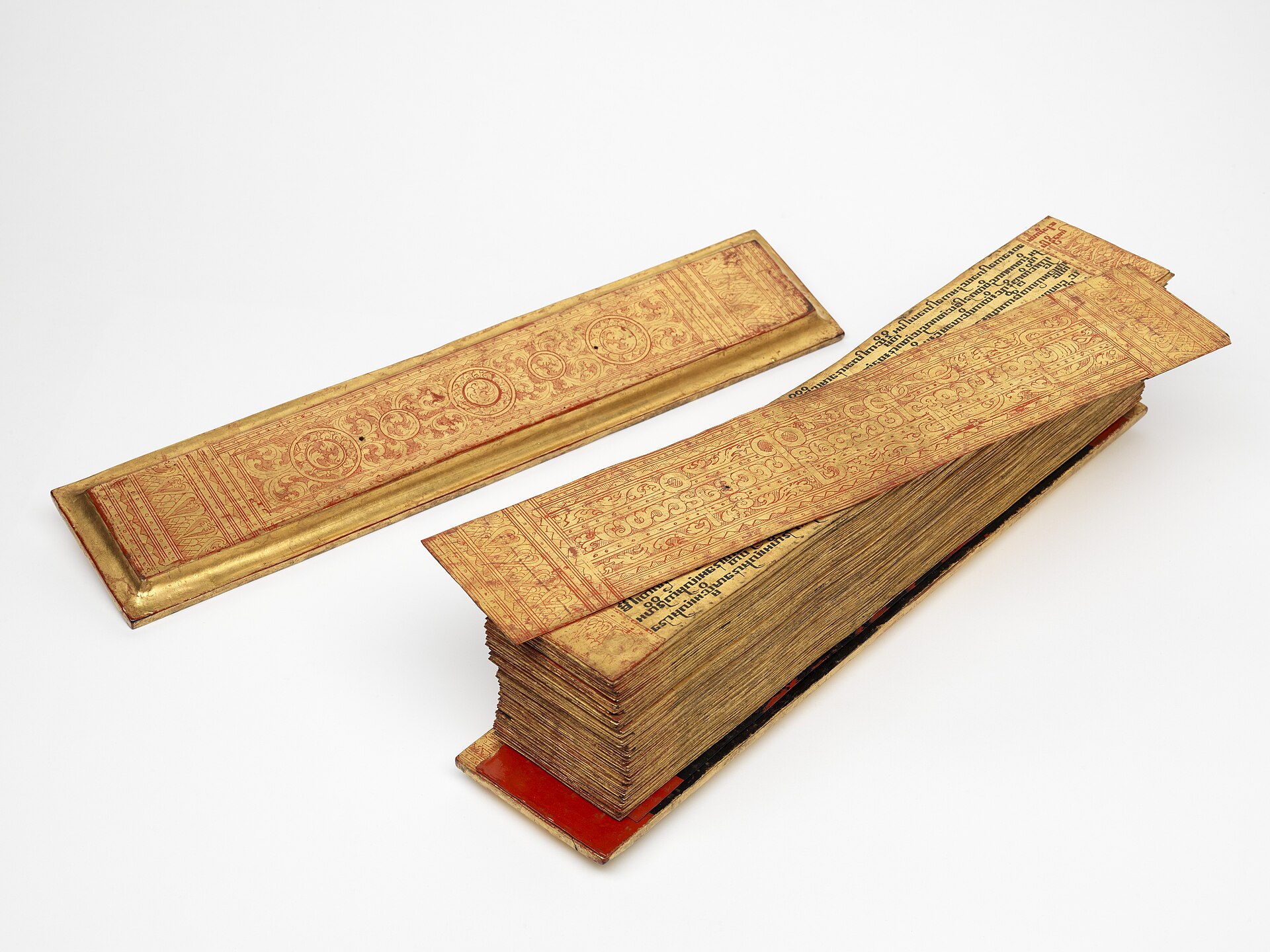
The Dhammapada identifies ignorance as the most significant obstacle to spiritual progress. In verse 243, it is called the worst stain of all, more damaging than any other fault. While the book focuses heavily on the behavior of the fool, or bala, it connects these actions directly to a lack of understanding. By identifying these patterns, you can begin to see how ignorance creates suffering and why the Buddha urged his followers to give up that stain.
Several verses describe the specific traits of those who lack wisdom. Verse 63 notes that a fool who recognizes their own ignorance is wise to that extent, while the true fool imagines they are wise. Other passages, like verse 64, warn that merely attending to the wise does not grant insight, comparing a fool to a spoon that never tastes the soup. The verses collected here provide a direct look at how negligence and pride prevent one from appraising the teaching.
The verses
In book order. Open any verse for the Pali, the copy button and the card maker.
“Fools and simpletons devote themselves to negligence. But the wise protect diligence as their best treasure.”
Pamādamanuyuñjanti, bālā dummedhino janā; Appamādañca medhāvī, dhanaṁ seṭṭhaṁva rakkhati.
“When the astute dispel negligence by means of diligence, ascending the palace of wisdom, sorrowless, they behold this generation of sorrow, as an attentive one on a mountain top beholds the fools below.”
Pamādaṁ appamādena, yadā nudati paṇḍito; Paññāpāsādamāruyha, asoko sokiniṁ pajaṁ; Pabbataṭṭhova bhūmaṭṭhe, dhīro bāle avekkhati.
“Long is the night for the wakeful; long is the league for the weary; long transmigrate the fools who don’t understand the true teaching.”
Dīghā jāgarato ratti, dīghaṁ santassa yojanaṁ; Dīgho bālāna saṁsāro, saddhammaṁ avijānataṁ.
“If while wandering you find no partner equal or better than yourself, then firmly resolve to wander alone— there’s no fellowship with fools.”
Carañce nādhigaccheyya, Seyyaṁ sadisamattano; Ekacariyaṁ daḷhaṁ kayirā, Natthi bāle sahāyatā.
““Sons are mine, wealth is mine”— thus the fool frets. For even your self is not your own, let alone your sons or wealth.”
Puttā matthi dhanaṁ matthi, iti bālo vihaññati; Attā hi attano natthi, kuto puttā kuto dhanaṁ.
“The fool who thinks they’re a fool is wise at least to that extent. But the true fool is said to be one who imagines that they are wise.”
Yo bālo maññati bālyaṁ, paṇḍito vāpi tena so; Bālo ca paṇḍitamānī, sa ve “bālo”ti vuccati.
“Though a fool attends to the wise even for the rest of their life, they still don’t understand the teaching, like a spoon the taste of the soup.”
Yāvajīvampi ce bālo, paṇḍitaṁ payirupāsati; Na so dhammaṁ vijānāti, dabbī sūparasaṁ yathā.
“Fools and simpletons behave like their own worst enemies, doing wicked deeds that ripen as bitter fruit.”
Caranti bālā dummedhā, amitteneva attanā; Karontā pāpakaṁ kammaṁ, yaṁ hoti kaṭukapphalaṁ.
“The fool imagines that evil is sweet, so long as it has not yet ripened. But as soon as that evil ripens, they fall into suffering.”
Madhuṁvā maññati bālo, yāva pāpaṁ na paccati; Yadā ca paccati pāpaṁ, atha dukkhaṁ nigacchati.
“Month after month a fool may eat food from a grass-blade’s tip; but they’ll never be worth a sixteenth part of one who has appraised the teaching.”
Māse māse kusaggena, bālo bhuñjeyya bhojanaṁ; Na so saṅkhātadhammānaṁ, kalaṁ agghati soḷasiṁ.
“For a wicked deed that has been done does not curdle quickly like milk. Smoldering, it follows the fool, like a fire smothered over with ash.”
Na hi pāpaṁ kataṁ kammaṁ, Sajjukhīraṁva muccati; Ḍahantaṁ bālamanveti, Bhasmacchannova pāvako.
“Whatever fame a fool may get, it only gives rise to harm. Whatever good features they have it ruins, and blows their head into bits.”
Yāvadeva anatthāya, ñattaṁ bālassa jāyati; Hanti bālassa sukkaṁsaṁ, muddhamassa vipātayaṁ.
““Let both layfolk and renunciants think the work was done by me alone. In anything at all that’s to be done, let them fall under my sway alone.” So thinks the fool, their greed and pride only growing.”
Mameva kata maññantu, gihī pabbajitā ubho; Mamevātivasā assu, kiccākiccesu kismici; Iti bālassa saṅkappo, icchā māno ca vaḍḍhati.
“Think not lightly of evil, that it won’t come back to you. The pot is filled with water falling drop by drop; the fool is filled with wickedness piled up bit by bit.”
Māvamaññetha pāpassa, na mantaṁ āgamissati; Udabindunipātena, udakumbhopi pūrati; Bālo pūrati pāpassa, thokaṁ thokampi ācinaṁ.
“Whoever wrongs a man who has done no wrong, a pure man who has not a blemish, the evil backfires on the fool, like fine dust thrown upwind.”
Yo appaduṭṭhassa narassa dussati, Suddhassa posassa anaṅgaṇassa; Tameva bālaṁ pacceti pāpaṁ, Sukhumo rajo paṭivātaṁva khitto.
“The fool does not understand the evil that they do. But because of those deeds, that simpleton is tormented as if burnt by fire.”
Atha pāpāni kammāni, karaṁ bālo na bujjhati; Sehi kammehi dummedho, aggidaḍḍhova tappati.
“For the evil that is done by oneself, born and produced in oneself, grinds down a simpleton, as diamond grinds a lesser gem.”
Attanā hi kataṁ pāpaṁ, Attajaṁ attasambhavaṁ; Abhimatthati dummedhaṁ, Vajiraṁvasmamayaṁ maṇiṁ.
“Come, see this world decked out like a fancy royal chariot. Here fools founder, but the discerning are not chained.”
Etha passathimaṁ lokaṁ, cittaṁ rājarathūpamaṁ; Yattha bālā visīdanti, natthi saṅgo vijānataṁ.
“The miserly don’t ascend to heaven, it takes a fool to not praise giving. The attentive celebrate giving, and so find happiness in the hereafter.”
Na ve kadariyā devalokaṁ vajanti, Bālā have nappasaṁsanti dānaṁ; Dhīro ca dānaṁ anumodamāno, Teneva so hoti sukhī parattha.
“It’s good to see the noble ones, staying with them is always good. Were you not to see fools, you’d always be happy.”
Sāhu dassanamariyānaṁ, sannivāso sadā sukho; Adassanena bālānaṁ, niccameva sukhī siyā.
“For one who consorts with fools grieves long. Painful is living with fools, like being stuck with your enemy. Happy is living with an attentive one, like meeting with your kin.”
Bālasaṅgatacārī hi, dīghamaddhāna socati; Dukkho bālehi saṁvāso, amitteneva sabbadā; Dhīro ca sukhasaṁvāso, ñātīnaṁva samāgamo.
“But a worse stain than these is ignorance, the worst stain of all. Having given up that stain, be without stains, mendicants!”
Tato malā malataraṁ, avijjā paramaṁ malaṁ; Etaṁ malaṁ pahantvāna, nimmalā hotha bhikkhavo.
“There is no fire like greed, no crime like hate, no net like delusion, no river like craving.”
Natthi rāgasamo aggi, natthi dosasamo gaho; Natthi mohasamaṁ jālaṁ, natthi taṇhāsamā nadī.
“You don’t become a sage by being sagelike, while still confused and ignorant. The astute one who holds the scales, taking only the best,”
Na monena munī hoti, mūḷharūpo aviddasu; Yo ca tulaṁva paggayha, varamādāya paṇḍito.
““Here I will stay for the rains; here for winter, here the summer”; thus the fool thinks, not realizing the danger.”
Idha vassaṁ vasissāmi, idha hemantagimhisu; Iti bālo vicinteti, antarāyaṁ na bujjhati.
“It’s better to wander alone, there’s no fellowship with fools. Wander alone and do no wrong, at ease like a tusker in the wilds.”
Ekassa caritaṁ seyyo, Natthi bāle sahāyatā; Eko care na ca pāpāni kayirā, Appossukko mātaṅgaraññeva nāgo.
“Riches ruin a simpleton, but not a seeker of the far shore. From craving for wealth, a simpleton ruins themselves and others.”
Hananti bhogā dummedhaṁ, no ca pāragavesino; Bhogataṇhāya dummedho, hanti aññeva attanaṁ.
“Weeds are the bane of crops, but delusion is these folk’s bane. That’s why a gift to one rid of delusion is so very fruitful.”
Tiṇadosāni khettāni, mohadosā ayaṁ pajā; Tasmā hi vītamohesu, dinnaṁ hoti mahapphalaṁ.
“Why the matted hair, you simpleton, and why the skin of deer? The tangle is inside you, yet you polish up your outsides.”
Kiṁ te jaṭāhi dummedha, kiṁ te ajinasāṭiyā; Abbhantaraṁ te gahanaṁ, bāhiraṁ parimajjasi.
“They’ve got past this grueling swamp of delusion, transmigration. Meditating in stillness, free of indecision, they have crossed over to the far shore. They’re quenched by not grasping: that’s who I declare a brahmin.”
Yomaṁ palipathaṁ duggaṁ, saṁsāraṁ mohamaccagā; Tiṇṇo pāraṅgato jhāyī, anejo akathaṅkathī; Anupādāya nibbuto, tamahaṁ brūmi brāhmaṇaṁ.
Where these verses sit
1. Pairs2. Diligence5. The Fool9. Wickedness10. The Rod12. The Self13. The World15. Happiness18. Stains19. The Just20. The Path23. Elephants24. Craving26. Brahmins
Most of these verses come from chapter 1, which the book arranges as a short run on one subject rather than as isolated lines. The opening chapter works in pairs: twenty verses arranged as ten twin verses, each pair holding the same situation in two forms and repeating the same refrain. It opens with the line that sets up the whole book — intention is the leader of things — and then runs the contrast through blame and forgiveness, hatred and its ending, and the difference between a mind that is guarded and one that is not.
Questions
Which verse names ignorance directly?
Verse 243 is the primary verse that names ignorance directly. It states that ignorance is the worst stain of all, surpassing other moral or physical flaws. The Buddha instructs mendicants to give up this specific stain to become stainless. Most other verses in this collection address the concept through the figure of the fool rather than using the abstract term for ignorance.
What is the difference between being ignorant and being a fool?
In the Dhammapada, the term for fool is bala. The verses suggest that a fool is someone who lacks discernment and practices negligence. While verse 243 identifies ignorance as a stain, the other verses focus on the practical results of that state, such as pride in verse 74 or the inability to understand the Dhamma despite proximity to the wise in verse 64.
What does verse 63 say about self-awareness?
Verse 63 offers a specific definition of wisdom regarding one's own limitations. It suggests that a person who acknowledges they are a fool possesses a degree of wisdom. In contrast, the text defines a true fool as someone who falsely imagines they are wise. This highlights that recognizing one's own lack of understanding is a necessary first step toward overcoming it.
Is ignorance curable according to these verses?
The verses offer a mixed perspective. Verse 26 contrasts those who devote themselves to negligence with the wise who protect diligence. However, verse 64 warns that if a person lacks the capacity for insight, they may spend their entire life with a teacher and still never understand the Dhamma. Progress requires more than just physical presence; it requires an active appraisal of the teaching.
Are these real Dhammapada verses with numbers?
Yes. Every quote on this site is a direct translation from the Dhammapada by Bhikkhu Sujato. We include the specific verse number for every entry so you can verify them against the Pali original or other translations. The site does not invent quotes or attribute external sayings to the Buddha; it only uses the 423 verses found in this specific book.
Read next
Every line on this page is a verse of the Dhammapada, numbered and unaltered. English translation by Bhikkhu Sujato, released CC0 via SuttaCentral; the Pali is the Mahāsaṅgīti edition held there. See sources for the full licence trail.